ERcast: Clinical Perspectives Podcast Preview

Hippo ERcast December 2025
- Dec 2025
- 9 Chapters
- 2 hr 42 min
Faculty
- Andy Little, DO
Dr. Andy Little is an emergency medicine physician and educator. He earned his medical degree from the Ohio University Heritage College of Osteopathic Medicine and completed his emergency medicine residency at OhioHealth Doctors Hospital Emergency Medicine Residency, where he served as Chief Resident. He has received multiple national awards, including recognition from the American Osteopathic Association, American College of Osteopathic Emergency Physicians, and Emergency Medicine Residents' Association.
- Cameron Berg, MD
Based in Minneapolis, MN, Dr. Berg focuses on simplifying complex patient care processes, such as chest pain, syncope, and heart failure treatment. Since 2020, he has also been navigating his own recovery from a TBI after a bicycle accident. When he isn't in the clinic, Cameron is usually busy keeping his three young children alive and happy.
- Matthew DeLaney, MD, FACEP, FAAEM
Dr. Matthew DeLaney is an emergency medicine physician and educator based in Birmingham, Alabama. A native of Mobile, he earned his medical degree from the University of South Alabama and completed his emergency medicine residency at Maine Medical Center.Dr. DeLaney has experience in both community and academic emergency medicine and is known for his commitment to teaching and medical education. He lives in Birmingham with his wife, Erin, who is also a physician, and their two daughters.
- Brit Long, MD
Dr. Brit Long is a Professor of Emergency Medicine at the University of Virginia and an emergency medicine physician with experience in both a community ED and at a military academic center ED. He is the Clinical Editor-in-Chief of emDOCs.His professional interests include medical education, evidence-based medicine, and the FOAMed movement. Outside of work, he enjoys spending time with his wife and two daughters
- Drew Kalnow, DO
Dr. Drew Kalnow is an emergency medicine physician and educator based in Columbus, Ohio. He completed his emergency medicine training at OhioHealth Doctors Hospital Emergency Medicine Residency. Dr. Kalnow is passionate about advancing emergency medicine through high-quality education, with a particular focus on simulation, learning theory, and innovative teaching.
- Tim Montrief MD, MPH
Dr. Timothy Montrief is an emergency medicine and critical care physician, educator, and author with interests in resuscitation, airway management, critical care, and medical education. He earned his MD and MPH degrees from the University of Miami Miller School of Medicine and completed his emergency medicine training at Jackson Memorial Hospital/University of Miami, followed by additional fellowship training in critical care medicine. Dr. Montrief has contributed extensively to emergency medicine education through academic publications, digital learning platforms, and FOAMed initiatives, including work with emDocs. His academic work has focused on critical care, ultrasound, toxicology, airway management, and high-risk emergency medicine presentations. Outside of medicine, he enjoys cooking, skydiving, and spending time near the ocean.
- Will Rushton, MD
- Andrew Fried, MD




Chapters
AHA Guideline Update
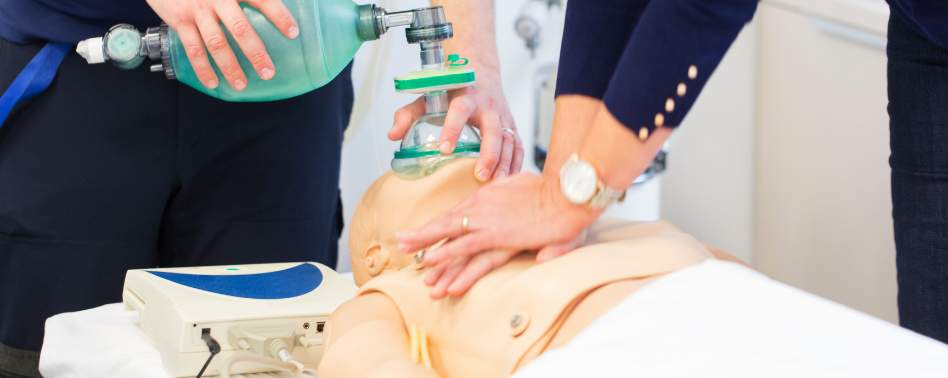
Mechanical CPR devices are not recommended for routine cardiac arrest care in the 2025 AHA guideline update because they have not improved outcomes over high-quality manual compressions. The important nuance is where they still make sense: transport, hazardous scenes, limited staffing, and procedure-heavy environments like the cath lab. Mechanical CPR Guideline Nuance Routine use recommendation: The headline change is straightforward: routine mechanical CPR is not advised because trials have not shown better outcomes than manual compressions. Transport environment carve-out: Ambulance and helicopter transport remain accepted situations because effective manual compressions are difficult to sustain safely in a moving vehicle. Rescuer safety exception: Hazardous scenes are an explicit exception, recognizing that CPR quality matters but rescuer safety can appropriately take priority. Limited manpower scenarios: Lean-staffed EMS agencies, rural hospitals, and busy EDs are practical carve-outs when assigning multiple clinicians to compressions destabilizes the rest of the system, and we get into that real-world ED argument in the episode. Procedure-based use cases: Cardiac catheterization and similar procedural settings are named exceptions where manual compressions are impractical and device deployment is often the workable option. Applying New Guidelines Locally Guidelines are not mandates: AHA recommendations are evidence-based guidance, not automatic policy, especially when they conflict with established local workflows. Context before adoption: The key first step is matching the recommendation to your actual environment, including staffing, equipment, transport patterns, and arrest volume. Critical appraisal lens: When guidance disrupts current practice, ask what populations and settings were actually studied before assuming the conclusion fits your shop. Stakeholder alignment: Mechanical CPR decisions affect more than the ED alone, including EMS leadership, cath lab teams, floor response teams, and perioperative services. We walk through that systems-level lens in the chapter. Unmeasured operational benefits: Outcome trials may miss practical advantages such as team preservation, safer transport, and freeing hands for concurrent resuscitation tasks.
PRES
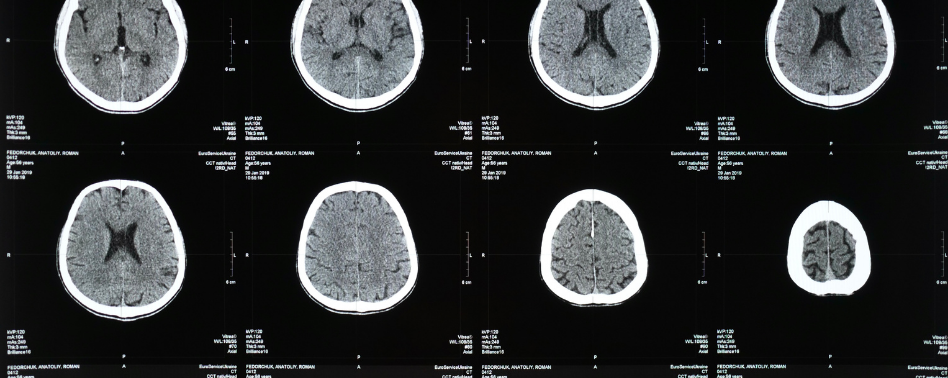
Posterior reversible encephalopathy syndrome is a neuroimaging diagnosis defined by acute neurologic symptoms plus vasogenic edema, often in the setting of severe hypertension. Normal head CT does not exclude PRES, and early treatment centers on controlled blood pressure reduction, seizure control, and trigger reversal. Recognizing PRES in the ED Core diagnostic picture: PRES is acute headache, seizure, vision change, or altered mental status paired with vasogenic edema on imaging; hypertension is common but a normal blood pressure does not rule it out. High-yield risk factors: Severe hypertension drives 50-90% of cases, and the syndrome is also linked to eclampsia, renal failure, autoimmune disease, transplant, and drugs like immunosuppressants or linezolid. Typical symptom pattern: Seizures are especially common, occurring in roughly 75% of cases, with altered mental status and visual symptoms rounding out the classic emergency department presentation. Why PRES happens: The pathophysiology is a mix of failed cerebral autoregulation, endothelial dysfunction, and focal vasoconstriction, which together produce vasogenic rather than cytotoxic edema. We get into the bedside implications in the episode. Imaging and initial management CT can miss it: Non-contrast head CT is a reasonable start, but up to 50% of scans are normal in PRES, so reassuring early imaging should not end the workup when the syndrome fits. MRI confirmation clues: MRI is the most sensitive test, with T2 and FLAIR hyperintensity supporting vasogenic edema; diffusion-weighted imaging helps distinguish PRES from ischemic stroke. Named edema patterns: Parieto-occipital edema is the most common pattern, but superior frontal sulcus, holohemispheric watershed, and central variants all occur and can explain atypical presentations. Blood pressure strategy: Initial control favors nicardipine or clevidipine with a MAP reduction of 20-25% over the first few hours, while nitroglycerin and nitroprusside are generally avoided. Seizure and trigger treatment: Benzodiazepines and levetiracetam are front-line for seizure control, and parallel management means correcting drivers like hypomagnesemia, hypercalcemia, or volume overload. Outcome if missed: PRES is often reversible, but delayed recognition can leave up to half of patients with permanent neurologic deficits and carries a mortality around 5-6%. The disposition nuances are worth hearing in the chapter.
Lit Matters #1: Can ECG Predict Badness After Cardiac Arrest?
A post-ROSC 12-lead ECG without ST elevation is better for risk stratification than for finding an acute culprit lesion after out-of-hospital cardiac arrest. In TOMAHAWK patients, ECG abnormalities tracked with 30-day mortality, while prediction of significant coronary disease was essentially no better than chance. Post-ROSC ECG After OHCA Prognostic not diagnostic signal: After OHCA without ST elevation, the standardized 12-lead ECG helped identify patients at higher 30-day mortality risk but did not reliably identify who had significant coronary lesions. Poor lesion discrimination: Across measured ECG patterns, prediction of significant coronary lesions was essentially coin-flip performance, with AUCs around 0.5 rather than a clinically useful discriminator. Right bundle branch block: Complete right bundle branch block stood out as a mortality red flag, with roughly 2.5-fold higher odds of 30-day death after resuscitated OHCA without ST elevation. Atrial fibrillation association: Atrial fibrillation or flutter on the post-ROSC ECG also carried prognostic weight, with about a twofold increase in 30-day mortality risk in this cohort. Intrinsicoid deflection clue: In RBBB, prolonged intrinsicoid deflection added risk signal beyond a routine abnormal tracing and may be an underrecognized marker of badness. We get into why that pattern matters in the episode. Cath lab clinical trigger: A substantial minority still had significant coronary disease, with 40% undergoing PCI, so progressive or refractory shock remains a practical reason to push toward urgent diagnostic angiography.
Ultrasound in resuscitation
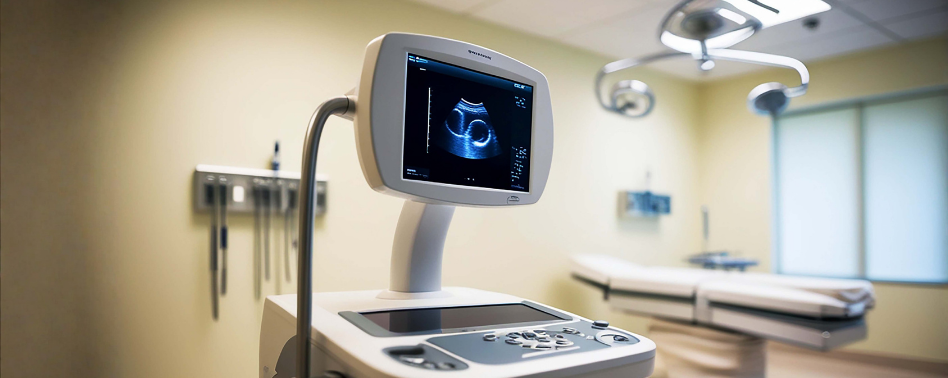
Point-of-care ultrasound can rapidly narrow the differential in undifferentiated shock and identify immediately reversible causes of arrest. In resuscitation, its highest value is as a bedside physiologic data point for cardiac function, tamponade, right-heart strain, pneumothorax, and volume tolerance. Ultrasound for Shock and Arrest Undifferentiated shock framing: POCUS is most useful when shock is clinically unclear, helping separate cardiogenic, obstructive, and hemorrhagic patterns quickly enough to change the next test, consultant, and first moves. Gross cardiac function check: A rapid look at overall myocardial squeeze is an essential bedside skill in crashing patients, and often gives a faster hemodynamic read than waiting for formal imaging. Femoral flow assessment: Femoral artery flow on ultrasound can be more informative than pulse palpation during a code, especially when pulse checks are equivocal. We get into the bedside technique in the episode. Myocardial motion in arrest: True myocardial motion matters more than blood swirling in the chambers and is a stronger survival prognostic sign than many clinicians realize. Standstill prognostic caution: Cardiac standstill carries a grim prognosis, but it is not absolute; rare patients still survive, so ultrasound findings have to be interpreted in the full clinical context. Shockable rhythm limitation: In clearly shockable arrests, ultrasound often adds less because the immediate priority is defibrillation, stabilization, and rapid cath-lab thinking rather than image-driven diagnosis. Focused Resuscitation Ultrasound Exam Core multiorgan survey: A high-yield resuscitation scan pairs the heart with IVC, lungs, and FAST views to look for tamponade, RV enlargement, free fluid, pleural pathology, and fluid tolerance clues. Right ventricle clues: An enlarged right ventricle in the right context raises concern for obstructive shock from pulmonary embolism, especially when paired with the rest of the resuscitation exam. IVC interpretation limits: IVC size and collapsibility can support fluid decisions, but they are not standalone truth and should never override the broader hemodynamic picture. Lung ultrasound yield: Lung views can quickly identify pneumothorax, pleural effusion, and B-lines, giving actionable information during shock without moving an unstable patient. Optional DVT extension: A focused DVT study can complement a PE workup when the cardiac views suggest right-heart strain. We walk through when that add-on scan is worth the time in the chapter. Outcome reality check: Ultrasound improves diagnostic certainty and resuscitation direction more reliably than mortality, so its value is in sharpening bedside decisions rather than acting as a magic test.

Acetaminophen Overdose
Massive acetaminophen overdose can outstrip standard N-acetylcysteine therapy and progress to hyperacute liver failure within 72 to 96 hours. Risk stratification hinges on ingestion size, timed acetaminophen levels, and early recognition of delayed absorption from opioid or anticholinergic co-ingestion. High-Risk Acetaminophen Ingestion Massive ingestion framing: Acetaminophen toxicity becomes a different problem when NAPQI generation overwhelms glutathione stores, making standard NAC potentially insufficient in very large overdoses. High-risk ingestion markers: High-risk cases are flagged by a reported ingestion over 30 g or a timed acetaminophen level that remains markedly elevated at 4 or 8 hours after exposure. Escalated NAC strategy: For high-risk ingestions, consensus guidance increases the third IV NAC dose to 200 mg/kg over 16 hours rather than the usual maintenance dose. We get into when to make that jump in the episode. Fomepizole adjunct role: Fomepizole is considered a reasonable adjunct in selected massive ingestions because CYP2E1 inhibition may reduce further NAPQI formation despite limited human outcome data. Early toxicology involvement: Poison Control and an on-call toxicologist should be involved early for high-risk cases, especially when labs worsen despite treatment or fulminant hepatic failure is emerging. Dialysis, Transfer, and Delayed Absorption Extracorporeal treatment threshold: EXTRIP guidance supports hemodialysis or CRRT when the acetaminophen concentration exceeds 900 mcg/mL, a range where antidote therapy alone may not be enough. Transfer center triggers: Coagulopathy, severe transaminase elevation, metabolic acidosis, renal injury, or cerebral edema should push early transfer to a tertiary or transplant-capable center. Hyperacute liver failure window: The sickest patients can declare themselves quickly, with hyperacute liver failure appearing within 72 to 96 hours of ingestion rather than over a prolonged timeline. Line jumper phenomenon: Some patients cross the treatment line late because opioid or anticholinergic co-ingestion delays gastric emptying and shifts the acetaminophen peak to 8 hours. Co-ingestion bedside clues: Mydriasis, urinary retention, and decreased bowel sounds suggest anticholinergic delay, while miosis, bradypnea, and lethargy point toward an opioid co-ingestant. We walk through how that changes the timing strategy in the chapter.

Lit Matters #2: Does Point-of-Care Troponin Actually Save Time?
Point-of-care high-sensitivity troponin does not automatically shorten emergency department length of stay for suspected acute coronary syndrome. In a randomized ED trial, faster assay availability translated into only a 6-minute median LOS difference, with similar discharge timing and 30-day outcomes. POC Troponin and ED Throughput Randomized trial signal: In 1,494 ED patients with possible ACS, point-of-care hs-troponin produced only a 6-minute median length-of-stay difference versus central lab testing, arguing against a meaningful throughput win. Disposition timing reality: Early discharge rates were essentially unchanged, with about 16% out by 3 hours and 38% by 6 hours in both groups, a useful reality check for crowded-department workflow claims. Safety outcome parity: Thirty-day death, myocardial infarction, readmission, and revascularization were similar between groups, suggesting point-of-care testing did not buy speed at the expense of short-term safety. Operational bottleneck lesson: An 8-minute assay does not solve a 3-hour ED visit when the limiting steps are clinician workflow, bed movement, and downstream processes. We get into those local bottlenecks in the episode. Implementation friction points: Point-of-care testing carries higher per-test cost, shifts work toward ED staff, and still had technical failures in 4.5% of randomized patients, all of which matter more than headline analyzer speed. Rule-out pathway context: Both arms used accelerated ACS pathways that paired hs-troponin with HEART score assessment, which likely narrowed any advantage from moving the assay closer to the bedside.
Diagnosing Myocarditis in the ED
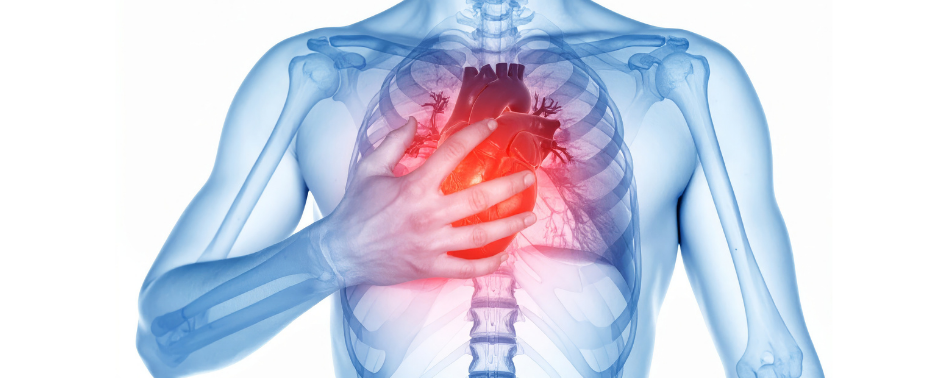
Myocarditis is a rare but can’t-miss cause of chest pain, arrhythmia, and new heart failure in the ED. The 2024 ACC pathway frames suspected myocarditis as a structured diagnostic problem: recognize the syndrome, order the right initial tests, and involve cardiology early because normal early studies do not exclude it. Recognizing Suspected Myocarditis Three syndrome presentation: Suspect myocarditis when the presentation clusters around one of three syndromes: chest pain, arrhythmia, or heart failure/cardiogenic shock. High-yield historical clues: Recent viral illness, autoimmune disease, prior myocarditis, cardiotoxin exposure, or a family history of cardiomyopathy or sudden death all raise the pretest probability. Chest pain phenotype: Myocarditis can look like STEMI or pericarditis, with troponin elevation and inflammatory markers adding support, but ACS still has to be ruled out first. Arrhythmic warning signs: Palpitations, presyncope, syncope, tachydysrhythmias, bradydysrhythmias, and even sudden death all fit the myocarditis spectrum, a distinction we get into in the episode. Advanced disease signal: New or worsening heart failure with hemodynamic instability should move myocarditis higher on the differential, especially when the story does not fit routine ischemia. ED Workup and Early Management Core ED diagnostics: Initial workup starts with CBC, BMP, troponin, ECG, and echocardiography, because the diagnosis is usually built from pattern recognition rather than a single test. Normal test caveat: A normal troponin or normal ECG does not rule out myocarditis, making bedside suspicion and repeat reassessment more important than false reassurance. ECG pattern range: ECG findings range from nonspecific ST-T changes to pericarditis patterns, brady- or tachydysrhythmias, and even STEMI mimics that may still warrant cath lab evaluation. Echo bedside targets: Echocardiography should look for left ventricular dysfunction, pericardial effusion, wall motion abnormalities, and diastolic dysfunction. We walk through what matters most on the bedside study in the episode. Specialty testing pathway: Cardiac MRI with T1/T2 mapping and endomyocardial biopsy are the major confirmatory tests, but they are usually inpatient decisions made with cardiology. Treat the syndrome first: Early management is supportive and presentation-driven: treat arrhythmias, heart failure, shock, sepsis, and possible ACS while cardiology helps guide disposition and disease-specific therapy.

Plastic Surgery Complications: Lidocaine Toxicity & Fat Embolism
Plastic surgery tourism sends emergency departments patients with early postoperative crises that are easy to miss. After recent liposuction or BBL, two high-risk diagnoses are fat embolism syndrome and lidocaine toxicity, both of which can present with abrupt respiratory and neurologic deterioration. Medical Tourism Plastic Surgery Risks Common cosmetic procedures seen: The postoperative cases most likely to hit your ED are liposuction, abdominoplasty, mammoplasty, subcutaneous injections, and Brazilian Butt Lift after patients travel home with minimal follow-up. Early versus delayed complications: Immediate danger centers on fat embolism syndrome and local anesthetic toxicity, while later presentations skew toward infection, fluid collections, granuloma, and prosthesis problems. Limited postoperative monitoring: Many patients are watched only a few hours after surgery and then fly home, which helps explain why serious complications first declare themselves in a local emergency department. Higher mortality signal: Multiple studies link plastic surgery tourism with increased mortality, a reminder that fragmented postoperative care is itself a major clinical risk factor. Fat Embolism Syndrome After Lipectomy Multisystem embolic pattern: Fat embolism syndrome is a multisystem process causing tachycardia, respiratory distress, neurologic change, and sometimes rapid progression to respiratory arrest or coma. Petechial rash clue: A petechial rash on the upper body, conjunctiva, chest, neck, or axilla is pathognomonic when present, though it appears in only about half of cases. Imaging limits in ED: V/Q scanning and MRI can support the diagnosis, but they are rarely useful in the acute emergency setting; we get into the bedside diagnostic approach in the episode. Supportive treatment only: Management is supportive rather than anticoagulant-based, and anticoagulation is not recommended when fat embolism syndrome is the suspected cause. Low threshold for admission: Any patient with recent liposuction plus acute dyspnea or neurologic symptoms merits hospital observation because deterioration can be sudden even after an initially mild presentation. Lidocaine Toxicity After Liposuction Tumescent anesthesia exposure: Lipectomy uses tumescent lidocaine with epinephrine and saline, with procedural doses reaching 35-65 mg/kg because absorption from subcutaneous tissue is slow and some drug is suctioned away. Broad toxicity spectrum: Lidocaine toxicity can start with tongue numbness, lightheadedness, or visual and auditory changes, then progress to unconsciousness, respiratory arrest, or cardiac arrest. Diagnostic overlap with FES: After recent cosmetic surgery, lidocaine toxicity can mimic fat embolism syndrome, so the diagnosis depends on keeping both entities high on the differential from the start. Delayed serum confirmation: Serum lidocaine levels can confirm the diagnosis, but results often return the next day and are not useful for real-time emergency decisions. Lipid emulsion first-line: Treatment is supportive plus intravenous lipid emulsion therapy, which is generally well tolerated when suspicion is high. We walk through when to pull that trigger in the chapter.

Lit Matters #3: AI vs Docs: Who Wins at Reading STEMIs?
Occlusive myocardial infarction is often missed when the ECG shows a STEMI equivalent or a convincing mimic rather than classic ST elevation. On challenging ECGs such as de Winter, hyperacute T waves, and LBBB, a deep-learning tool outperformed both emergency physicians and cardiologists for cath lab activation decisions. AI and STEMI Equivalent ECGs Overall accuracy gap: Physician accuracy on difficult cath lab activation ECGs was about 66%, while the Queen of Hearts AI reached 89%, a large separation that matters when OMI hides outside classic STEMI patterns. Patterns physicians miss: De Winter, hyperacute T-wave OMI, transient STEMI, and LBBB produced the lowest physician accuracy, with several of these patterns falling below 50% correct recognition. Emergency versus cardiology performance: Emergency physicians and cardiologists performed similarly overall, with emergency physicians trending more sensitive for STEMI equivalents while cardiologists were more specific for mimics. High-agreement ECG phenotypes: Classic STEMI, posterior wall OMI, pulmonary embolism, and Wellens were recognized much more reliably, with posterior OMI classified correctly by more than 80% of both groups. AI failure points: The algorithm was not flawless: LBBB with OMI and left ventricular aneurysm were its main misses, and those same tracings also caused substantial physician error. We get into why those two remain hard in the episode. Cath lab activation implications: Most clinicians treated Wellens as a cath-lab-worthy STEMI equivalent, while hyperacute T waves and RBBB generated the most specialty disagreement about immediate activation.