ERcast: Clinical Perspectives Podcast Preview



Hippo ERcast January 2023
- Jan 2023
- 8 Chapters
- 2 hr 45 min
This first ERCAST of 2023 starts off with Matt, Andy and Drew talking about managing yourself on shift so that your first and last patients get the high quality care they deserve. Next up is a review of the 2022 stroke ICH guidelines, followed by Kim Bambach breaking down an approach to difficult conversations using the language of nonviolent communication. Peds EM guests Emily Rose and Sol Behar dive into the PECARN fever nuances, and then Brit Long and Jenny Beck-Esmay share novel approaches to use of capnography in the ED. Finally, in Lit Matters we discuss EtCO2 trajectory for predicting OHCA outcomes, doxycycline for CAP, and risk-stratifying patients with potential ACS using high sensitivity troponin. Enjoy!
Faculty
- Brit Long, MD
Dr. Brit Long is a Professor of Emergency Medicine at the University of Virginia and an emergency medicine physician with experience in both a community ED and at a military academic center ED. He is the Clinical Editor-in-Chief of emDOCs.His professional interests include medical education, evidence-based medicine, and the FOAMed movement. Outside of work, he enjoys spending time with his wife and two daughters
- Drew Kalnow, DO
Dr. Drew Kalnow is an emergency medicine physician and educator based in Columbus, Ohio. He completed his emergency medicine training at OhioHealth Doctors Hospital Emergency Medicine Residency. Dr. Kalnow is passionate about advancing emergency medicine through high-quality education, with a particular focus on simulation, learning theory, and innovative teaching.
- Emily Rose, MD, FAAEM, FAAP, FACEP
Dr. Emily Rose is Director of Pre-Health Undergraduate Studies at the Keck School of Medicine of the University of Southern California. A native of South Dakota, she completed her Emergency Medicine training at Los Angeles County+USC Medical Center, where she served as Chief Resident, followed by a fellowship in Pediatric Emergency Medicine at Loma Linda University. She has been core Emergency Medicine faculty at LAC+USC Medical Center since 2010, where she continues to care for both pediatric and adult patients. Dr. Rose is a prolific educator with numerous publications and invited national presentations. Her contributions to medical education have been recognized with multiple teaching awards, including multiple LAC+USC Faculty of the Year awards, Outstanding Teaching Performance, and the Honorable Mention Outstanding Speaker of the Year for the American College of Emergency Physician Scientific Assembly. Dr. Rose is also the author of two textbooks, including works focused on life-threatening dermatologic emergencies and practical pediatric emergency care for emergency medicine providers.
- Matthew DeLaney, MD, FACEP, FAAEM
Dr. Matthew DeLaney is an emergency medicine physician and educator based in Birmingham, Alabama. A native of Mobile, he earned his medical degree from the University of South Alabama and completed his emergency medicine residency at Maine Medical Center.Dr. DeLaney has experience in both community and academic emergency medicine and is known for his commitment to teaching and medical education. He lives in Birmingham with his wife, Erin, who is also a physician, and their two daughters.
- Andy Little, DO
Dr. Andy Little is an emergency medicine physician and educator. He earned his medical degree from the Ohio University Heritage College of Osteopathic Medicine and completed his emergency medicine residency at OhioHealth Doctors Hospital Emergency Medicine Residency, where he served as Chief Resident. He has received multiple national awards, including recognition from the American Osteopathic Association, American College of Osteopathic Emergency Physicians, and Emergency Medicine Residents' Association.
- Kimberly Bambach, MD
- Charles Khoury MD, FACEP, FAAEM
- Jenny Beck-Esmay, MD
- Solomon Behar, MD






Chapters
Ramp up ramp down
Emergency department performance starts before the first chart and often slips at the end of shift. Ramping up quickly and ramping down deliberately are practical cognitive skills that help preserve decision quality, throughput, and patient safety across the entire ED shift. Starting and Ending an ED Shift Early shift acceleration: The first minutes of a shift set your cognitive tempo, and a deliberate startup routine helps you reach safe operational speed without letting the earliest patients absorb avoidable inefficiency. Decision fatigue awareness: Decision fatigue is real, but the neglected problem is the front-end transition into high-stakes emergency medicine work, a distinction we tease apart in the episode. Last patient vigilance: End-of-shift slowdown can quietly erode care quality, so the final patient deserves the same diagnostic attention and ownership as the first. Shift transition habits: Simple personal systems for task organization and mental pacing can smooth both entry and exit from the department. We get into the practical habits in the episode. Sustained care consistency: Managing yourself on shift is a patient-safety skill, not just a wellness concept, because consistency across the whole shift protects against rushed decisions and missed details.
Blood in the Brain: Updated ICH Guidelines
Spontaneous intracerebral hemorrhage is a high-mortality stroke subtype where delayed recognition and sloppy blood pressure control worsen outcomes. Non-contrast head CT remains the ED test of choice, and the 2022 Stroke guidelines push early, controlled antihypertensive treatment plus targeted reversal of anticoagulants. Updated Intracerebral Hemorrhage Management High-risk clinical clues: Thunderclap headache, new seizure without a seizure history, focal deficit during the seizure, and severe hypertension should all raise concern for ICH, even when the presentation does not score impressively on stroke tools. Preferred initial imaging: Non-contrast head CT is the first-line ED test and is nearly 100% sensitive for acute blood within 6 hours, making it the key rule-in study when ICH is on the table. CTA and LP nuance: A normal non-contrast CT does not end the workup when the story is worrisome; CTA and sometimes lumbar puncture still matter in select patients. We get into that diagnostic fork in the episode. Controlled blood pressure target: ICH blood pressure management is about smooth afterload reduction, not a crash; start treatment within 2 hours of diagnosis and aim for SBP 140 mm Hg within 1 hour of initiation. Safe systolic range: For mild to moderate ICH, the practical target range is SBP 130 to 150 mm Hg, while pushing below 130 mm Hg is associated with harm rather than better neurologic outcomes. Antithrombotic reversal priorities: Warfarin reversal hinges on 4-factor PCC plus vitamin K, DOACs now have specific antidotes, and platelet transfusion for aspirin or clopidogrel is generally avoided unless surgery is planned.
Lit Matters 1: How to Use EtCO2 During Resus
End-tidal CO2 during cardiac arrest is more than a tube-confirmation number; it tracks pulmonary blood flow and correlates with CPR-generated perfusion. In out-of-hospital cardiac arrest, early EtCO2 trajectory helps frame ROSC likelihood, while persistently very low values signal a poor resuscitation prognosis. EtCO2 Trajectory in OHCA Resuscitation Perfusion marker during CPR: EtCO2 functions as a bedside surrogate for blood flow during chest compressions, so rising values generally mean better CPR-generated perfusion and a better chance of ROSC. Three trajectory patterns: This cohort separated into low, intermediate, and high EtCO2 trajectories centered around 10, 30, and 50 mmHg, with higher trajectories linked to better return of spontaneous circulation. Early monitoring matters: Trajectory is only useful if capnography is in place early enough to capture serial readings; that practical timing point is worth hearing in the episode. Low-value prognostic signal: Persistently very low EtCO2, especially an average under about 15 mmHg, should temper expectations for ROSC and can support discussion about when ongoing CPR may be futile. Final and minimum values: Among the measured capnography variables, minimum and final EtCO2 appeared most predictive, giving clinicians a simple way to interpret trend direction without overcomplicating the code. Neurologic outcome caution: Higher EtCO2 trajectories improved ROSC and the highest trajectory tracked with survival to discharge, but favorable neurologic recovery did not clearly separate across groups.

Can We Talk? Nonviolent Communication
Nonviolent communication is a practical de-escalation tool for difficult emergency department conversations with patients, consultants, and colleagues. Its core structure is simple: observation, feeling, need, and request, delivered in plain language that preserves dignity without sacrificing clarity. Nonviolent Communication in the ED Four-part conflict framework: Nonviolent communication organizes hard conversations into observation, feeling, need, and request, replacing blame and assumptions with language that is specific, empathic, and easier to hear. Observation without judgment: The opening move is concrete description rather than moralizing; dropping phrases like "you always" or "you never" lowers defensiveness and keeps the discussion anchored to visible facts. Feelings tied to needs: The emotional piece names your reaction without assigning motive, then links it to an unmet need such as safety, being heard, or integrity. Concrete optional request: The request is a specific action the other person can choose to do, which preserves autonomy and opens the door to a real two-way conversation. Forty-word bedside script: A usable ED version fits in 40 words or less: "When I see…, I feel…, because I need…. Would you be willing to…?" We show how to make it sound natural in the episode. Limits in unsafe situations: NVC is a verbal de-escalation tool, not a substitute for safety measures in acute psychiatric or physically dangerous encounters, and Kim points out where that line sits in the chapter.

Lit Matters 2: Why You Should Consider Doxy For CAP
Macrolide resistance has changed first-line outpatient treatment for community-acquired pneumonia. In mild-to-moderate adult CAP, doxycycline remains a credible option with strong oral bioavailability, lung penetration, and activity against typical and atypical respiratory pathogens. Doxycycline for Mild CAP Guideline-era antibiotic choice: Rising macrolide-resistant S. pneumoniae has pushed CAP treatment toward amoxicillin or respiratory fluoroquinolones, making doxycycline an appealing middle ground with broader pathogen coverage. Target patient population: The evidence applies to adults with mild-to-moderate community-acquired pneumonia, not ICU patients, shock, mechanical ventilation, or combination-antibiotic regimens. Clinical cure performance: Across 6 randomized trials with 834 patients, doxycycline monotherapy achieved clinical cure rates comparable to fluoroquinolones or macrolides at end of treatment. Safety and tolerability signal: Adverse event rates were similar to comparator antibiotics, supporting doxycycline's reputation as a generally well-tolerated option for non-severe CAP in adults. Practical advantages: Doxycycline offers excellent oral bioavailability, good lung tissue penetration, and convenient twice-daily dosing, with cost advantages over levofloxacin highlighted in the chapter.

PECARN Fever Nuances
Well-appearing febrile infants 8 to 60 days old can often be managed with less invasive testing and fewer hospitalizations under the PECARN-informed AAP guideline. Risk stratification now hinges on age bands, urinalysis, and inflammatory markers, while HSV screening remains a separate early safety check. PECARN Approach to Young Infant Fever Eligible infant definition: The pathway applies to well-appearing term infants 8 to 60 days old with a documented rectal temperature of at least 38.0 C at home or in the ED, while preterm, bronchiolitic, medically fragile, and first-week-of-life infants sit outside the rule. Inflammatory marker triad: Procalcitonin, CRP, and absolute neutrophil count now drive low-risk classification, allowing many infants to avoid lumbar puncture or admission when the marker pattern is reassuring. We walk through the bedside interpretation in the episode. Youngest infant default: Infants 8 to 21 days old still get a full sepsis evaluation with LP, parenteral antibiotics, and admission; this remains the highest-risk age band despite the newer pathway. Intermediate age nuance: For infants 22 to 28 days old, inflammatory markers and CSF findings determine how far you can safely de-escalate, and even with a normal workup the residual bacteremia risk is still about 1 to 2 percent. Older infant de-escalation: In infants 29 to 60 days old, a normal inflammatory marker set plus urinalysis can support discharge without LP, and a positive UA can often be managed as outpatient UTI with oral therapy. HSV Risk and Antibiotic Updates Vertical HSV red flags: Maternal genital HSV history or peripartum fever, plus infant vesicles, seizure, hypothermia, mucosal ulcers, cytopenias, or transaminitis should trigger HSV PCR testing and empiric acyclovir. Ceftazidime replacing cefotaxime: Cefotaxime is no longer manufactured in the US, so ceftazidime becomes the key third-generation cephalosporin in these regimens; the swap is logistical rather than resistance-driven. Ampicillin coverage rationale: Ampicillin stays in the youngest infant regimens to preserve Enterococcus and Listeria coverage, a reminder that neonatal pathogen patterns still differ from older children. ESBL community adjustment: Gentamicin can replace ceftazidime when local ESBL-producing E. coli circulation is a concern, an antibiotic-selection nuance that matters more than memorizing a one-size-fits-all regimen. Viral testing caveat: A positive viral panel does not meaningfully lower concern in the youngest febrile infants, while bronchiolitis is excluded from this algorithm altogether. We get into the exceptions in the chapter.

Lit Matters 3: Is A Single hs-cTnT Enough to Rule Out ACS?
A single high-sensitivity troponin T can identify a very low-risk acute coronary syndrome cohort when paired with a non-ischemic ECG. For ED chest pain evaluation, the key controversy is whether one undetectable hs-cTnT is enough to safely avoid serial testing in selected patients. Single hs-cTnT for ACS Rule-Out Guideline and assay tension: European pathways use the limit of detection at 5 ng/L, while FDA reporting and US practice center on the limit of quantitation at 6 ng/L for Roche hs-cTnT. Core clinical question: The practical test was whether one hs-cTnT below 6 ng/L can safely identify low-risk ED patients with possible ACS, and whether a non-ischemic ECG improves that rule-out. Large multicenter cohort: Across 85,610 Mayo Clinic ED patients, about 29% had an initial hs-cTnT below 6 ng/L, giving this single-sample strategy a substantial real-world sample. Chest pain subgroup signal: Performance looked strongest in patients presenting with chest pain, where an initial hs-cTnT below 6 ng/L was associated with only 0.2% acute MI at the index visit. Non-ischemic ECG pairing: Adding a non-ischemic ECG to hs-cTnT below 6 ng/L produced a 100% negative predictive value for index MI in the studied subgroup, with one 30-day event among 610 patients. We get into where that combination may be most defensible in the episode. Serial troponin uncertainty: A second troponin may add reassurance, but this study did not clearly show improved patient-oriented outcomes from serial testing once the first hs-cTnT and ECG were already low risk.
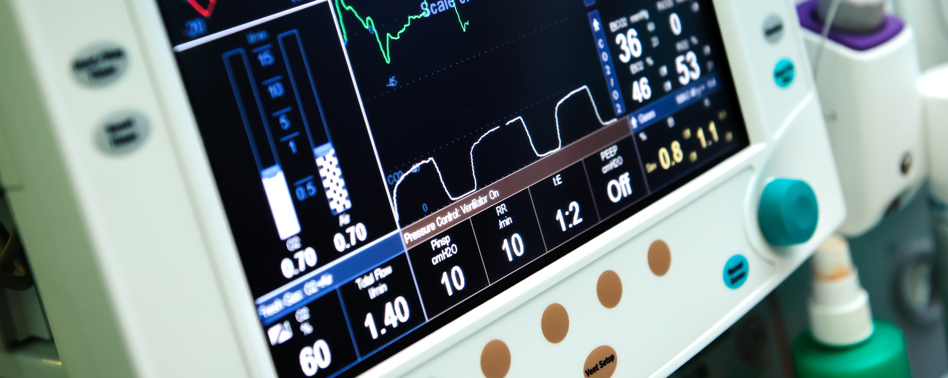
Novel Uses of Capnography in the ED
Capnography is more than an endotracheal tube check: end-tidal CO2 reflects CO2 production, perfusion, and ventilation across the whole body. In the ED, waveform capnography can flag hypoventilation before pulse oximetry and add useful bedside signal in cardiac arrest, DKA, sepsis, trauma, PE, and obstructive lung disease. Capnography Fundamentals in the ED Whole-body CO2 signal: End-tidal CO2 is a systems-level marker of metabolism, circulation, and ventilation, so the number only makes sense when you interpret it alongside the waveform and the clinical context. Normal EtCO2 range: A typical end-tidal CO2 range is 35-45 mm Hg, but bedside interpretation hinges just as much on capnogram shape and the arterial-to-end tidal CO2 gradient. Waveform phase recognition: Phase III is the alveolar plateau, and its height and slope often carry the most clinical information when you are looking for bronchospasm, hypoventilation, or worsening dead space. Faster than pulse oximetry: Capnography detects hypoventilation earlier than pulse oximetry, making respiratory depression visible before oxygen saturation starts to fall. We get into the practical bedside implications in the episode. Important technical confounders: Ventilator problems, tubing leaks, obstruction, disconnection, and monitor malfunction can all distort EtCO2, so a surprising value should trigger a quick equipment check before overcalling pathology. High-Yield Clinical Uses and Limits Airway confirmation standard: Quantitative waveform capnography is more reliable than fogging, chest rise, or breath sounds for confirming tracheal intubation and for catching tube displacement during transport. Cardiac arrest perfusion marker: During arrest, EtCO2 tracks cardiopulmonary blood flow and compression quality; a sudden rise of at least 10 mm Hg is highly specific for ROSC. DKA bedside discriminator: In hyperglycemic patients, an EtCO2 above 35 mm Hg is highly sensitive for ruling out DKA, while values below 24 mm Hg strongly support the diagnosis. Trauma and shock signal: Low EtCO2 correlates with injury severity, transfusion need, and mortality in trauma, and a 2 mm Hg rise with straight-leg raise can suggest fluid responsiveness. Obstructive airway waveform: Bronchospasm produces the classic shark-fin capnogram as Phase III steepens, and serial waveform improvement can mirror response to bronchodilators and steroids. Adjunct not answer key: Capnography works best when one dominant physiology is driving the picture; mixed shock states, low perfusion, and rare false positives can mislead if the tracing is read in isolation. We walk through the practical limitations in the chapter.