ERcast: Clinical Perspectives Podcast Preview



Hippo ERcast August 2025
- Aug 2025
- 9 Chapters
- 2 hr 46 min
Welcome to the August 2025 Edition of ERcast! To kick off August, Drew, Andy, and Dr Kelly Heidepriem discuss a recent article that captures the experience of 30 people with substance use disorder. Dr. Hicks walks us through whole Blood Resuscitation in Trauma Patients. Tim Montrief is back to show us cases when ECMO might not be the answer we’re looking for. Kim and Geoff give us some environmental myth-busting. Dr. Karen Greenberg helps us tease out the care of the altered patients with known Alzheimer's. Brit Long discusses Stevens-Johnson syndrome and toxic epidermal necrolysis. Finally, Cam and Drew give us 3 articles to review in Lit Matters. Enjoy!
Faculty
- Andy Little, DO
Dr. Andy Little is an emergency medicine physician and educator. He earned his medical degree from the Ohio University Heritage College of Osteopathic Medicine and completed his emergency medicine residency at OhioHealth Doctors Hospital Emergency Medicine Residency, where he served as Chief Resident. He has received multiple national awards, including recognition from the American Osteopathic Association, American College of Osteopathic Emergency Physicians, and Emergency Medicine Residents' Association.
- Cameron Berg, MD
Based in Minneapolis, MN, Dr. Berg focuses on simplifying complex patient care processes, such as chest pain, syncope, and heart failure treatment. Since 2020, he has also been navigating his own recovery from a TBI after a bicycle accident. When he isn't in the clinic, Cameron is usually busy keeping his three young children alive and happy.
- Chris Hicks, MD
Chris Chris Hicks is an emergency physician, trauma team leader, educator, and speaker with expertise in resuscitation, simulation, and psychological performance in healthcare. His work has focused on areas such as mental practice, stress inoculation training, and improving team performance in high-stakes clinical environments. He has contributed to the development of interprofessional and simulation-based medical education initiatives and has collaborated with healthcare organizations on the design of systems, spaces, and teams to support high-performance care delivery. Chris is also a longtime supporter of the FOAMed movement and is widely recognized for his engaging and practical approach to medical education. Outside of medicine, he enjoys running, cycling, boxing, music, and spending time with his family.
- Drew Kalnow, DO
Dr. Drew Kalnow is an emergency medicine physician and educator based in Columbus, Ohio. He completed his emergency medicine training at OhioHealth Doctors Hospital Emergency Medicine Residency. Dr. Kalnow is passionate about advancing emergency medicine through high-quality education, with a particular focus on simulation, learning theory, and innovative teaching.
- Kelly Heidepriem, MD
Dr. Heidepriem is a board-certified emergency medicine physician. She completed her residency at Brown University before getting homesick for the Midwest and returning closer to home where she practices in the community. She is also an associate professor at the University of South Dakota Sanford School of Medicine. Her podcasting journey began as a guest on Urgent Care RAP, which quickly led to a regular hosting role. Outside of work, Kelly is a dedicated runner, logging miles with her husband and the occasional guest star, Pete.
- Matthew DeLaney, MD, FACEP, FAAEM
Dr. Matthew DeLaney is an emergency medicine physician and educator based in Birmingham, Alabama. A native of Mobile, he earned his medical degree from the University of South Alabama and completed his emergency medicine residency at Maine Medical Center.Dr. DeLaney has experience in both community and academic emergency medicine and is known for his commitment to teaching and medical education. He lives in Birmingham with his wife, Erin, who is also a physician, and their two daughters.
- Brit Long, MD
Dr. Brit Long is a Professor of Emergency Medicine at the University of Virginia and an emergency medicine physician with experience in both a community ED and at a military academic center ED. He is the Clinical Editor-in-Chief of emDOCs.His professional interests include medical education, evidence-based medicine, and the FOAMed movement. Outside of work, he enjoys spending time with his wife and two daughters
- Geoffrey Comp, DO, FACEP
Dr. Comp is an Associate Program Director for the Creighton University / Valleywise Health Emergency Medicine Residency Program in Phoenix. A clinician-educator at heart, Geoff spends his time mentoring the next generation of Emergency Medicine residents and advocating for better ways to teach and learn medicine. His professional world revolves around wilderness medicine, clinician wellness, and finding innovative ways to bridge the gap between theory and the bedside. When he isn’t in the ED or the classroom, you’ll likely find him combining his love for medicine with his passion for the outdoors, always looking for a new trail to explore or a new way to collaborate with fellow clinicians.
- Tim Montrief MD, MPH
Dr. Timothy Montrief is an emergency medicine and critical care physician, educator, and author with interests in resuscitation, airway management, critical care, and medical education. He earned his MD and MPH degrees from the University of Miami Miller School of Medicine and completed his emergency medicine training at Jackson Memorial Hospital/University of Miami, followed by additional fellowship training in critical care medicine. Dr. Montrief has contributed extensively to emergency medicine education through academic publications, digital learning platforms, and FOAMed initiatives, including work with emDocs. His academic work has focused on critical care, ultrasound, toxicology, airway management, and high-risk emergency medicine presentations. Outside of medicine, he enjoys cooking, skydiving, and spending time near the ocean.
- Kimberly Bambach, MD
- Karen Greenberg, DO







Chapters
AMA
Patients who leave the emergency department against medical advice often describe stigma, neglect, undertreated pain, and poorly managed withdrawal as the drivers. In patients with substance use disorder, AMA risk is tightly linked to communication, analgesia, and the tone set from first contact. AMA Care for Patients With SUD Front-door stigma signals: Stigmatization often starts before the physician encounter, with comments from registration, EMS, or staff shaping the visit. Early bias can determine whether a patient feels safe enough to stay for care. Attending-set bedside tone: A brief explicit acknowledgment of addiction as a disease can reset the encounter and signal respect to the whole team. We get into the opening language that changes the room in the episode. Pain and withdrawal balance: Patients with addiction still have real acute pain, and withdrawal can amplify it. Multimodal analgesia plus honest early discussion of the plan helps separate appropriate treatment from unsafe requests. Naloxone dosing restraint: Overshooting reversal can precipitate severe unintended withdrawal, so the principle is the lowest dose needed for the desired effect. That practical distinction is worth hearing in the chapter. Needs versus wants framing: Clear boundaries matter when requested treatments are inappropriate or harmful. The goal is to explain what the patient medically needs while preserving empathy and avoiding a punitive stance. Consequences of leaving AMA: When patients leave after feeling judged or ignored, they may avoid future care, return sicker, or overdose before re-engaging. Early trust-building is therefore a clinical intervention, not just bedside manner.
Whole Blood Resuscitation in Trauma Patients
Whole blood resuscitation simplifies trauma massive transfusion by delivering red cells, plasma, and platelets in one product. In hemorrhagic shock, low-titer O whole blood is increasingly used because civilian data suggest better outcomes than component 1:1:1 resuscitation without more transfusion reactions. Whole Blood in Trauma MTP Balanced resuscitation simplified: Whole blood addresses the classic MTP problem of playing catch-up with plasma, platelets, cryoprecipitate, and fibrinogen after packed cells have already started flowing. Low-titer O whole blood: LTOWB limits anti-A and anti-B antibody exposure, which is why uncrossmatched use is feasible even when the bleeding patient is not type O. Outcome signal in trauma: Recent civilian trauma data, including a 1,377-patient emergency-release cohort, link whole blood use to improved overall outcomes with no increase in transfusion reactions. Best use case: Whole blood is a scarce resource and fits true massive transfusion scenarios with rapid multi-product needs, not stable GI bleeding or routine anemia transfusion. Rh-negative childbearing patients: Low-titer O-positive whole blood may still be acceptable in exsanguinating Rh-negative women of childbearing age, paired with RhIG and obstetric follow-up; we get into that risk-benefit call in the episode. Transition to guided hemostasis: After the first 1 to 2 units, TEG or ROTEM can help tailor the next steps in resuscitation rather than continuing empiric product replacement. Program setup realities: A workable whole blood program depends on trauma, EMS, hematology, and the blood bank aligning on storage life, cost, and local MTP volume.
Lit Matters 1: Where should we send adolescent trauma patients?
Severely injured adolescents do not appear to have a survival advantage at pediatric trauma centers over adult trauma centers. For teen trauma triage, the practical answer is to send 12- to 16-year-old patients to the closest appropriate trauma center rather than defaulting to pediatric transfer. Adolescent Trauma Center Triage Teen physiology transition: By adolescence, injury patterns and physiology start to resemble young adults, which helps explain why adult trauma systems can perform comparably well in this age group. Closest appropriate center: For severely injured teens, the key disposition principle is nearest appropriate trauma care, whether that destination is a pediatric center or an adult trauma center. Study age window: The most relevant data here focus on patients aged 12 to 16 years with severe injury, narrowing the usual gray zone where pediatric-versus-adult transfer decisions often vary. Mortality signal: Hospital mortality was 7% at the pediatric trauma center versus 4.2% at adult trauma centers, with no statistically clear survival benefit for pediatric admission. Hospital-free days outcome: Ninety-day hospital-free days were similar between pediatric and adult trauma centers, suggesting comparable short-term recovery at the systems level. We get into the triage implications in the episode. Important missing factor: These outcome data do not capture psychosocial advantages that pediatric centers may offer, an important caveat when the trauma destination is otherwise clinically equivalent.

Environmental Myth-busting
Environmental emergencies are full of persistent myths that can worsen injury at the bedside and in the field. Snakebite, jellyfish envenomation, heat stroke, drowning, and hypothermic arrest all have a few high-yield truths that matter more than folk remedies or outdated terminology. Snakebite and marine envenomation Harmful snakebite first aid: Venom extractors, wound cutting, and tourniquets do not remove venom and can worsen local tissue injury through ischemia, infection, or delayed definitive care. Early envenomation clues: Progressive warmth, redness, joint involvement, and expanding tissue injury are the bedside signs that matter most when deciding who may need antivenom evaluation. Antivenom workup basics: Serial exams plus coagulation studies and a DIC panel are the key early tests in suspected snake envenomation, and toxicology input is worth getting early in the episode. Jellyfish rinse myth: Urine and other freshwater rinses can trigger additional nematocyst discharge, so the safer first move is visible tentacle removal followed by saltwater irrigation. Species-specific sting care: Vinegar is not a universal jellyfish treatment; it may help some species but worsens pain with blue bottle jellyfish, a distinction we get into in the chapter. Box jellyfish danger: Box jellyfish in northern Australia can cause sudden life-threatening cardiac arrhythmias, which is why local species knowledge and poison center guidance matter. Heat illness, drowning, and hypothermia Sweating does not reassure: Heat stroke is not ruled out by diaphoresis; altered mental status in a hot environment is the red flag that should drive aggressive cooling. Cooling method hierarchy: Evaporative cooling works, but ice-water immersion in a body bag cools roughly twice as fast, and we walk through when that speed matters on the show. Drowning electrolyte myth: Saltwater versus freshwater drowning does not usually produce major electrolyte differences in humans because aspirated volumes are typically too small. Preferred drowning terminology: Use drowning or submersion injury rather than near drowning, dry drowning, or secondary drowning; standardized language improves communication and outcome reporting. Hypothermic arrest endpoint: Severe accidental hypothermia can be neuroprotective, and resuscitation generally continues until successful rewarming above 32 C unless injuries are clearly nonsurvivable. Termination red flags: A potassium above 12 mEq/L, impossible chest compressions, or avalanche burial with packed airway and prolonged asystole are major clues that continued efforts may be futile.

ECMO: A Bridge to Healing, or a Bridge to Nowhere?
ECMO is supportive care, not definitive therapy: the right question is whether the patient has a realistic bridge to recovery, transplant, durable support, or at least a decision point. In cardiogenic shock and severe respiratory failure, candidate selection matters as much as cannulation speed. When ECMO Is The Wrong Answer Bridge concept first: ECMO buys time but does not fix the underlying disease, so every consult starts with a destination: recovery, transplant, durable support, or a short bridge to decision. Bridge to nowhere risk: The major pitfall is cannulating a patient with no meaningful exit strategy, especially when recovery is unlikely and transplant or LVAD candidacy is off the table. Maximal therapy requirement: ECMO should follow disease-specific maximal medical therapy, whether that means cath lab for STEMI, OR for valvular catastrophe, or fully exhausted asthma management. Recovery and comorbidity screen: Meaningful candidacy hinges on the underlying pathology, baseline function, and organ-level comorbidities such as ESRD, cirrhosis, or advanced malignancy. We get into the practical screening mindset in the episode. Center-specific contraindications: Many exclusions are local and expert-opinion based, but severe neurologic injury, poor life expectancy, and end-stage peripheral organ disease are consistent red flags. VV Versus VA ECMO Decisions Respiratory versus hemodynamic support: VV ECMO is generally for isolated respiratory failure, while VA ECMO supports both oxygenation and circulation when shock and hypoxemia collide. Emergency department use pattern: VA ECMO shows up more often in the ED because crashing patients frequently have combined cardiac and respiratory collapse rather than a pure oxygenation problem. Cannulation consequence awareness: VA ECMO returns blood retrograde into the arterial system, a detail that explains why severe aortic regurgitation can become catastrophic with LV dilation and clot burden. Vascular access limitations: Extensive peripheral vascular disease can make large-bore cannulation unsafe or impossible, with acute limb ischemia as one of the headline complications. Dissection as a danger zone: Acute aortic dissection with major branch involvement is a high-risk scenario because wires or cannulas may enter the false lumen. That procedural concern is worth hearing in the chapter. Cardiogenic Shock And ECMO Selection Shock phenotype matters: ELSO frames ECMO-suitable cardiogenic shock around persistent hypoperfusion despite optimal treatment, with markers like hypotension, oliguria, elevated lactate, and low SVO2. SCAI staging anchor: For STEMI-related shock, SCAI staging helps separate who may warrant escalation, and the practical ECMO conversation usually starts in the refractory D to E range. Stage C caution: Recent data do not support routine upfront ECMO for SCAI stage C cardiogenic shock, reinforcing that earlier cannulation is not automatically better. Disease-specific bridge planning: A STEMI patient needs revascularization, not just pump support; ECMO makes sense when it is clearly buying time to a fix rather than replacing one. ECPR as bridge to decision: Extracorporeal CPR is the classic bridge-to-decision scenario, where ECMO creates a window to clarify neurologic prognosis and downstream candidacy.

Lit Matters 2: TXA for trauma, good, bad, or neither?
Traumatic hemorrhage kills early, and tranexamic acid appears to improve survival without a signal for more vascular occlusive events. The benefit is strongest when TXA is given early after injury, with especially compelling data in prehospital trauma and selected traumatic brain injury populations. TXA in Acute Trauma Care Hyperfibrinolysis target: TXA works by blocking fibrin clot breakdown, a key mechanism when trauma-associated hyperfibrinolysis drives ongoing bleeding and early death. Mortality benefit signal: Across randomized emergency-setting trials, TXA was associated with lower 1-month mortality, with an absolute risk reduction of about 1.7%. Early treatment advantage: Time matters: the strongest signal favors TXA given as early as possible after injury, with benefit fading when administration is delayed. We get into the timing nuances in the episode. Twenty-four hour survival: In trials reporting early outcomes, TXA improved 24-hour mortality, supporting its role in the initial resuscitation window rather than as a late rescue. Thrombotic safety profile: Major vascular occlusive events such as MI, stroke, DVT, and PE were not increased at 1 month in the pooled randomized data. Prehospital and TBI signal: The effect may be more pronounced before hospital arrival, with out-of-hospital treatment showing a lower number needed to treat than in-hospital use, while TBI benefit appears strongest in mild to moderate injury.

Altered Mental Status in the Alzheimer's Patient
Altered mental status in a patient with Alzheimer disease demands a narrower, history-driven ED approach because routine testing can worsen agitation and iatrogenic harm. Anti-amyloid therapy adds a high-stakes wrinkle: amyloid-related imaging abnormalities can mimic stroke, and MRI is the definitive test. AMS in Alzheimer Patients History-first evaluation: A good collateral history is the highest-yield way to narrow the differential in Alzheimer patients with AMS and avoid traumatic low-value testing like repeated blood draws or Foley placement. Agitation from routine care: Standard ED workups can escalate distress in dementia; patients with Alzheimer disease and AMS are more likely to undergo CT and urinalysis and twice as likely to receive antipsychotics. Collateral team approach: Nurses, case managers, social workers, and trainees can materially improve care by helping reach family or facility staff when the patient cannot provide a meaningful history, a workflow we lay out in the episode. Common ED presentations: Alzheimer disease is a frequent ED population problem, with roughly 23% of diagnosed patients visiting the ED each year; accidents and behavioral disturbance are prominent presenting complaints. Anti-amyloid Therapy and ARIA Universal ATT screening: Screen every Alzheimer patient for anti-amyloid therapy use because ARIA can present as headache, confusion, focal deficits, seizures, or gait change and can easily resemble acute stroke. MRI as definitive imaging: CT is useful to look for major intracranial hemorrhage, but MRI is the preferred study for suspected amyloid-related imaging abnormality and should be treated as an emergent indication. Meaningful ARIA incidence: ARIA is common rather than rare: lecanemab carries about 12.6% edema and 17% hemorrhage rates, while donanemab reports even higher imaging abnormality rates. Thrombolysis red flag: Anti-amyloid therapy is a contraindication to alteplase or tenecteplase because severe hemorrhagic complications have been reported when ARIA is mistaken for ischemic stroke. That distinction is worth hearing in the chapter. Severe ARIA treatment: The sickest ARIA presentations can resemble PRES, and high-dose IV methylprednisolone is the headline first-line treatment, with admission and early neurology or neurosurgery input often warranted. Anticoagulation caution: Patients on anti-amyloid therapy appear to carry higher risk from cerebral bleeding, especially with baseline microbleeds or blood thinners, so routine anticoagulation decisions deserve extra caution.
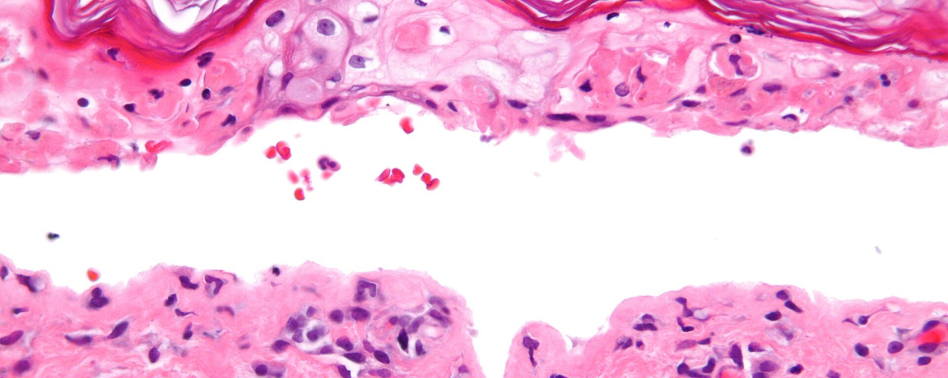
SJS/TEN
Stevens-Johnson syndrome and toxic epidermal necrolysis are delayed hypersensitivity emergencies defined by painful mucocutaneous injury and epidermal necrosis. Diagnosis is clinical, mucosal involvement is a major clue, and early priorities are stopping the trigger, assessing organ involvement, and arranging burn-center level care. Recognition and diagnosis of SJS TEN Mucocutaneous diagnostic pattern: Painful erythematous or purpuric macules that blister and desquamate, plus mucosal erosions, should immediately raise concern for SJS/TEN; absence of mucosal involvement pushes you toward another diagnosis. Typical prodrome and spread: A viral-like prodrome of fever, sore throat, myalgias, and malaise often precedes the rash by about 3 days, with lesions starting on the face and thorax before spreading symmetrically. Pseudo Nikolsky finding: Pseudo-Nikolsky sign means epidermal shearing occurs over involved lesions only, a useful bedside distinction from pemphigus vulgaris or staphylococcal scalded skin syndrome. Trigger timing and causes: Medications are the classic inciting event, especially allopurinol, antiepileptics, and TMP-SMX, but Mycoplasma, HIV, HSV, and no identifiable trigger all remain on the table. We get into the timing nuances in the episode. Bedside workup priorities: The ED diagnosis is clinical, so labs and chest x-ray are for end-organ injury and complications rather than confirmation; skin, mouth, genitals, and eyes all need a deliberate exam. Ocular involvement frequency: Eye involvement is common, occurring in 60% to 100% of cases, so fluorescein examination matters early to catch corneal erosions, conjunctival ulceration, or pseudomembranes. Management and prognostic assessment First critical intervention: Immediate withdrawal of the offending agent is the key disease-modifying step, while initial management follows ABCs with resuscitation and supportive care rather than empiric immunomodulators. Supportive care cornerstone: SJS/TEN behaves like a burn-level illness, with fluid resuscitation targeting euvolemia, electrolyte repletion, meticulous wound care, and multidisciplinary management at a burn center. Airway and pulmonary risk: Laryngeal, bronchial, or alveolar involvement can complicate these cases, and refractory hypoxia or airway compromise should lower your threshold for endotracheal intubation. Infection management approach: Sepsis is a leading cause of death, so broad-spectrum antibiotics are reserved for suspected superinfection such as cellulitis or pneumonia; prophylactic antibiotics are not recommended. Systemic therapy caution: Cyclosporine, infliximab, IVIG, steroids, and plasmapheresis are all discussed in practice, but the evidence is limited and burn-center input should come before starting them. We walk through that decision-making in the chapter. SCORTEN mortality signal: SCORTEN uses 7 bedside and laboratory variables to estimate mortality risk, and the danger rises sharply as points accumulate, especially in TEN rather than limited SJS.

Lit Matters 3: REBOA vs thoracotomy in traumatic cardiac arrest
Traumatic cardiac arrest from infradiaphragmatic truncal hemorrhage still has grim survival, and rapid aortic control remains the central decision. In trauma-center data, REBOA and resuscitative thoracotomy had similar in-hospital mortality, with REBOA trading invasiveness for slower time to occlusion. Aortic Control in Traumatic Arrest Neutral mortality signal: In traumatic cardiac arrest, REBOA and resuscitative thoracotomy showed similar in-hospital mortality rather than a clear winner, a useful reset if you have treated REBOA as automatically superior. Time to occlusion tradeoff: REBOA took longer to achieve aortic occlusion than thoracotomy, which matters when arrest physiology leaves little margin for delay. We get into why that timing difference changes bedside thinking in the episode. Procedure failure reality: REBOA was not universally successful; several placements failed and some patients were converted to thoracotomy, reinforcing that backup plans matter before you commit to an endovascular-first approach. Below-diaphragm hemorrhage frame: The comparison applies to suspected truncal bleeding below the diaphragm, where the decision is less about elegance and more about the fastest credible path to proximal hemorrhage control. Trauma center versus community: The likely niche for REBOA may be the community hospital that can rapidly transfer to a trauma center, but that system-level advantage remains plausible rather than proven in rigorous study.