ERcast: Clinical Perspectives Podcast Preview
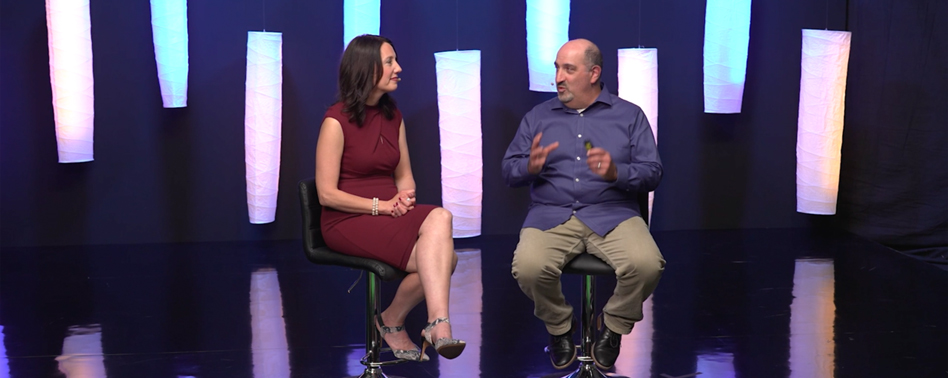


The summary below is from an episode of ERcast: Clinical Perspectives
Most children with vomiting or diarrhea have acute gastroenteritis, but a few high-stakes diagnoses look deceptively similar. Bilious emesis in a neonate is a surgical emergency, and appendicitis, intussusception, UTI, DKA, toxic shock, and HUS all belong on the differential when the story or exam does not fit simple AGE.
Pediatric Vomiting Red Flags
- Bilious emesis emergency: Neonatal bilious vomiting should be treated as malrotation with midgut volvulus until proven otherwise, with urgent transfer to pediatric surgery before routine testing delays care.
- Pyloric stenosis window: Pyloric stenosis peaks between 3 and 8 weeks of age and is unlikely after 3 months, making age one of the most useful bedside clues in the vomiting infant.
- Intussusception masquerade: Intussusception is the most common abdominal emergency in infants and can mimic gastroenteritis with vomiting, lethargy, intermittent pain, or an obstructive pattern. We get into the bedside pattern recognition in the episode.
- Appendicitis with diarrhea: Appendicitis is the most common abdominal emergency in children, and about one-third have nausea, vomiting, and diarrhea, especially those younger than 5 years.
- Febrile vomiting differential: Fever plus vomiting should widen the workup to UTI, meningoencephalitis, and intracranial pathology, especially when the exam shows soft neurologic or trauma clues.
- Metabolic toxicity clues: DKA and inborn errors of metabolism can present as vomiting before the diagnosis is obvious, particularly when the child appears systemically ill or unexpectedly dehydrated.
Pediatric Diarrhea Pitfalls
- Shock with watery diarrhea: Profuse watery diarrhea in a hypotensive child should raise concern for toxic shock rather than routine infectious gastroenteritis, because the hemodynamics are the red flag.
- Bloody diarrhea warning: Bloody diarrhea should prompt consideration of hemolytic uremic syndrome, defined by microangiopathic hemolytic anemia, thrombocytopenia, and acute kidney injury.
- When to culture stool: Stool culture is most useful in infants, immunocompromised children, bloody diarrhea, or illness lasting beyond the usual self-limited viral course. We lay out the practical triggers in the chapter.
- Antibiotic restraint principle: Most pediatric diarrheal illness is viral or self-limited, and antibiotics can worsen outcomes in STEC by increasing the risk of hemolytic uremic syndrome.
- Antimotility drug harms: Antimotility agents should be avoided in children because reported complications include respiratory or CNS depression, anoxic brain injury, and toxic megacolon.
Treatment and Disposition Pearls
- Ondansetron first line: Ondansetron is the preferred antiemetic for children, with a recommended dose of 0.15 mg/kg and fewer sedating adverse effects than alternative agents.
- Ondansetron age limits: ED ondansetron use is reasonable after 6 months of age, while home prescriptions are generally reserved for children older than 2 years.
- Fluid resuscitation basics: Children who need IV rehydration often start with a 20 to 40 mL/kg bolus, then ongoing fluids adjusted for maintenance needs and possible dextrose.
- Oral rehydration strategy: Home oral rehydration works for many children using structured replacement over several hours plus added volume for each vomiting or diarrhea episode.
- Return precaution anchors: Blood in stool, right lower quadrant pain, decreased urine output, or altered mental status are not routine AGE follow-up points; they are escalation signs worth emphasizing before discharge.
Subscribe to ERcast: Clinical Perspectives to listen to the episode.
Faculty
- Emily Rose, MD, FAAEM, FAAP, FACEP
Dr. Emily Rose is Director of Pre-Health Undergraduate Studies at the Keck School of Medicine of the University of Southern California. A native of South Dakota, she completed her Emergency Medicine training at Los Angeles County+USC Medical Center, where she served as Chief Resident, followed by a fellowship in Pediatric Emergency Medicine at Loma Linda University. She has been core Emergency Medicine faculty at LAC+USC Medical Center since 2010, where she continues to care for both pediatric and adult patients. Dr. Rose is a prolific educator with numerous publications and invited national presentations. Her contributions to medical education have been recognized with multiple teaching awards, including multiple LAC+USC Faculty of the Year awards, Outstanding Teaching Performance, and the Honorable Mention Outstanding Speaker of the Year for the American College of Emergency Physician Scientific Assembly. Dr. Rose is also the author of two textbooks, including works focused on life-threatening dermatologic emergencies and practical pediatric emergency care for emergency medicine providers.
- Solomon Behar, MD