ERcast: Clinical Perspectives Podcast Preview


The summary below is from an episode of ERcast: Clinical Perspectives
High-quality CPR depends on minimizing interruptions, and routine pulse checks are a surprisingly common source of avoidable pause time. In cardiac arrest care, rhythm checks every 2 minutes align better with current ACLS thinking, while POCUS should answer a focused question without stopping compressions.
CPR Interruptions and Pulse Checks
- Chest compression fraction: Chest compression fraction tracks how much of the resuscitation is spent actually compressing the chest, and higher fractions are linked to better ROSC and functional outcomes.
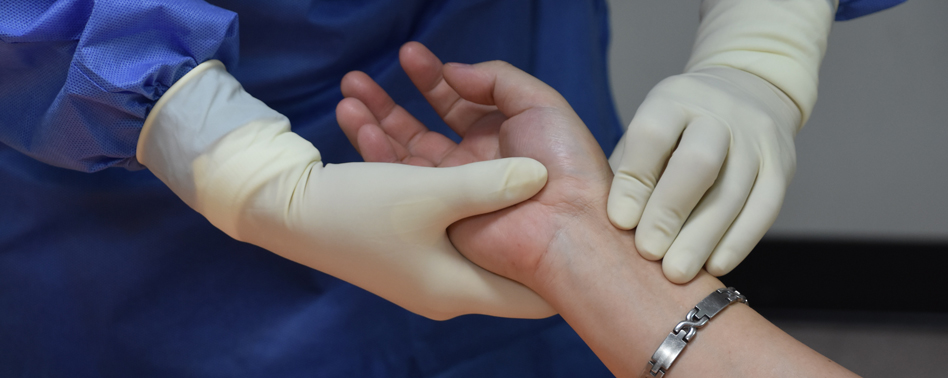
- Pulse check inaccuracy: Manual pulse checks are both slow and unreliable, with studies showing 17 to 24 seconds to decide and accuracy around 78%, making them a poor trade for lost compression time.
- Guideline shift away: AHA guidance has moved away from routine pulse checks during CPR, even for presumed ROSC, while keeping the emphasis on near-continuous compressions.
- Rhythm check priority: Rhythm checks every 2 minutes identify actionable rhythms like VF or VT for defibrillation, and asystole does not require a pulse check before CPR continues. That practice change is worth hearing in the episode.
- Arterial line exception: An arterial line can help confirm perfusion in the right patient, but it does not change the larger bedside principle that routine pulse palpation should stop.
POCUS During Cardiac Arrest
- Ultrasound pause penalty: POCUS during arrest is associated with longer CPR pauses, and transthoracic scans commonly push interruptions beyond the 10-second target.
- TEE over TTE: Transesophageal echo shortens compression pauses compared with transthoracic imaging, with reported pauses of 9 seconds versus 19 seconds.
- Targeted ultrasound question: Ultrasound should start with a specific diagnostic question, with image capture kept brief and interpretation handed off while compressions continue. We get into that workflow in the episode.
- CPR first principle: POCUS can add useful information during resuscitation, but it should never delay ongoing high-quality CPR or become the reason compressions stop.
Subscribe to ERcast: Clinical Perspectives to listen to the episode.
References:
- Stop Performing Routine Pulse Checks During CPR - ACEP Now
- Talikowska M, Tohira H, Finn J. Cardiopulmonary resuscitation quality and patient survival outcome in cardiac arrest: A systematic review and meta-analysis. Resuscitation. 2015;96:66-77. PMID:26247143
- Christenson J, Andrusiek D, Everson-Stewart S, et al. Chest compression fraction determines survival in patients with out-of-hospital ventricular fibrillation. Circulation. 2009;120(13):1241-1247. PMID:19752324
- Vaillancourt C, Everson-Stewart S, Christenson J, et al. The impact of increased chest compression fraction on return of spontaneous circulation for out-of-hospital cardiac arrest patients not in ventricular fibrillation. Resuscitation. 2011;82(12):1501-1507. PMID:21763252
- Clattenburg EJ, Wroe P, Brown S, et al. Point-of-care ultrasound use in patients with cardiac arrest is associated prolonged cardiopulmonary resuscitation pauses: A prospective cohort study. Resuscitation. 2018;122:65-68. PMID:29175356
- Fair J 3rd, Mallin MP, Adler A, et al. Transesophageal Echocardiography During Cardiopulmonary Resuscitation Is Associated With Shorter Compression Pauses Compared With Transthoracic Echocardiography. Ann Emerg Med. 2019;73(6):610-616. PMID:30773413
- Brady W, Berlat JA. Hands-on defibrillation during active chest compressions: eliminating another interruption. Am J Emerg Med. 2016;34(11):2172-2176. PMID:27645811
- Dick WF, Eberle B, Wisser G, Schneider T. The carotid pulse check revisited: what if there is no pulse?. Crit Care Med. 2000;28(11 Suppl):N183-N185. PMID:11098941
- Tibballs J, Weeranatna C. The influence of time on the accuracy of healthcare personnel to diagnose paediatric cardiac arrest by pulse palpation. Resuscitation. 2010;81(6):671-675. PMID:20227813
- Panchal AR, Bartos JA, Cabañas JG, et al. Part 3: Adult Basic and Advanced Life Support: 2020 American Heart Association Guidelines for Cardiopulmonary Resuscitation and Emergency Cardiovascular Care. Circulation. 2020;142(16_suppl_2):S366-S468.PMID:33081529
- Yamane D, McCarville P, Sullivan N, et al. Minimizing Pulse Check Duration Through Educational Video Review. West J Emerg Med. 2020;21(6):276-283. Published 2020 Oct 20. PMID:33207177
- Cummins RO, Hazinski MF. Cardiopulmonary resuscitation techniques and instruction: when does evidence justify revision?. Ann Emerg Med. 1999;34(6):780-784. PMID:10577409
Faculty
- Matthew DeLaney, MD, FACEP, FAAEM
Dr. Matthew DeLaney is an emergency medicine physician and educator based in Birmingham, Alabama. A native of Mobile, he earned his medical degree from the University of South Alabama and completed his emergency medicine residency at Maine Medical Center.Dr. DeLaney has experience in both community and academic emergency medicine and is known for his commitment to teaching and medical education. He lives in Birmingham with his wife, Erin, who is also a physician, and their two daughters.
- Lauren Westafer, DO, MPH, MS