ERcast: Clinical Perspectives Podcast Preview
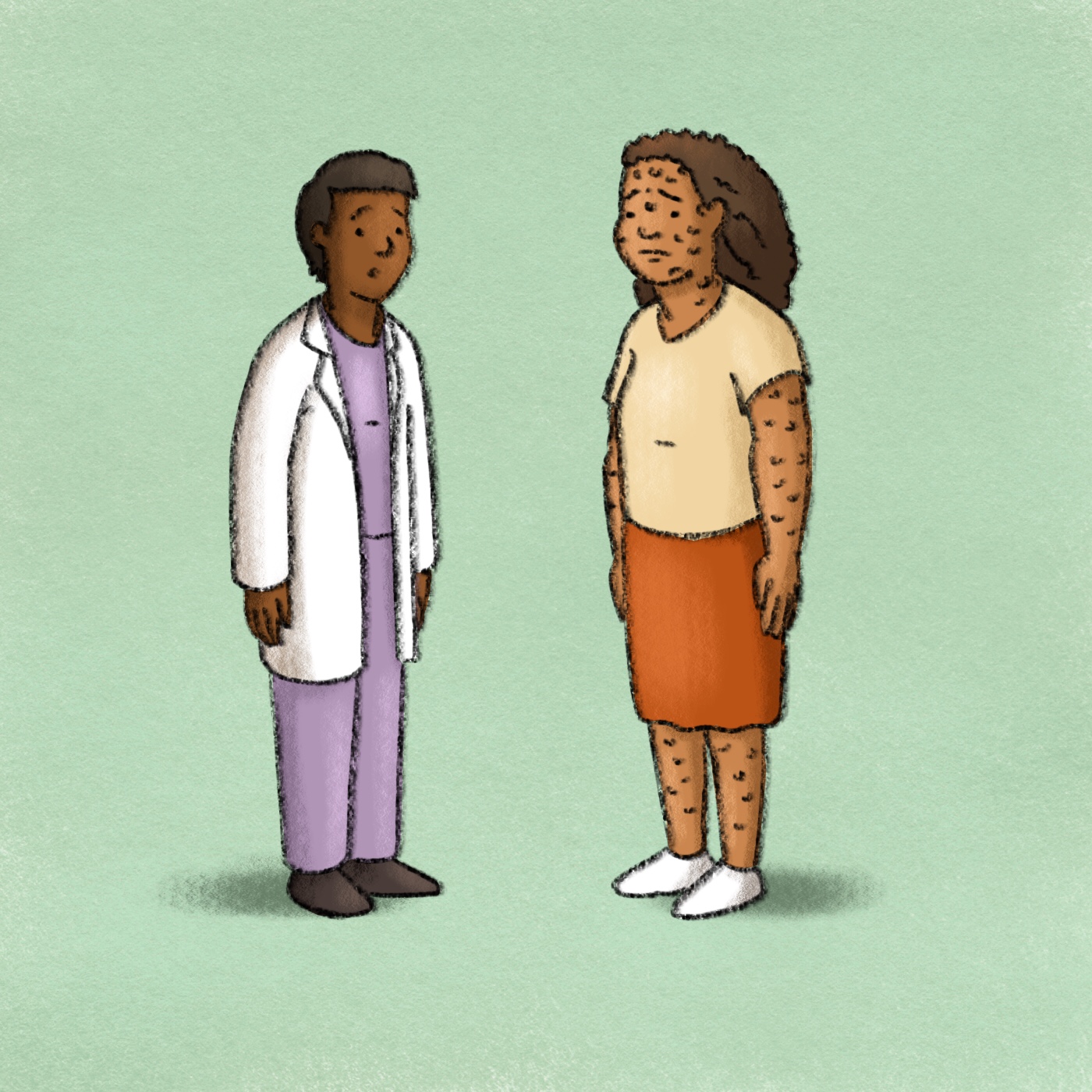


The summary below is from an episode of ERcast: Clinical Perspectives
Monkeypox is a reportable orthopoxvirus infection causing fever, lymphadenopathy, and a vesiculopustular rash, but current cases often present with limited genital or perianal lesions. Early recognition, lesion PCR, and rapid public health coordination matter because post-exposure vaccination can still blunt spread.
Recognizing Monkeypox in Front-Line Care
- Orthopoxvirus clinical frame: Monkeypox is related to smallpox and cowpox, and the current multinational outbreak is tied to the less severe West African clade.
- Classic symptom sequence: The hallmark presentation is fever and lymphadenopathy followed days later by a rash, with adenopathy serving as a useful clue against many viral mimics.
- Atypical lesion patterns: Current cases may show only a few cratered or ulcerated lesions confined to the genitals or anus, so a limited rash does not rule it out. That pattern shift is worth hearing in the episode.
- Transmission reality check: Spread is driven mainly by direct contact with infectious skin lesions rather than classic STI mechanisms, although intimate contact is a common exposure setting.
- Contagious period: Patients are infectious during symptoms, including the prodrome, but risk is highest when lesions contain fluid and can contaminate towels, sheets, and other fomites.
Testing, Isolation, and Public Health Response
- Immediate isolation steps: Suspected patients should be masked and placed in a single room when available, while clinicians use N95, eye protection, gown, and gloves rather than special biocontainment gear.
- Preferred diagnostic sample: PCR from lesion material is the key test, typically obtained by unroofing a lesion and swabbing the fluid after checking local handling requirements with infection control.
- Public health interface: Infection control and health departments are central early partners because monkeypox is reportable and contact tracing can identify close contacts for vaccination.
- Case finding importance: Reported case counts likely underestimate the true burden because testing access and stigma both suppress diagnosis, making clinical suspicion unusually important.
- Environmental cleaning basics: Room turnover follows specific environmental services guidance, but the overall approach is fairly standard rather than a prolonged room closure protocol. We get into the practical workflow in the episode.
Treatment, Vaccination, and Counseling
- Supportive care first: Most patients recover with fluids, rest, and time over 2 to 4 weeks, without needing antiviral therapy.
- High-risk complication groups: Severe disease risk is higher with immunocompromise, including HIV and transplant patients, and also in pregnancy, young children, and patients with eczema or atopic dermatitis.
- Investigational antiviral option: Tecovirimat is the named investigational agent for patients at higher risk of complications, with access often coordinated through public health channels.
- Post-exposure vaccine window: Vaccination after a close exposure can prevent infection entirely if given early, and may still lessen illness if administered later within the accepted window.
- Home isolation counseling: Patients remain contagious until every lesion has crusted and fallen off, so counseling should include strict handling of linens, shared objects, pets, and household contact.
Subscribe to ERcast: Clinical Perspectives to listen to the episode.
References:
- Monkeypox. Centers for Disease Control and Prevention. Published June 24, 2022. Accessed July 25, 2022. Link
- Cohen J. Monkeypox outbreak questions intensify as cases soar. Science. 2022; 376(6596):902-903. PMID: 35617408
Faculty
- Pritish Tosh, MD
- Jay-Sheree Allen Akambase, MD