ERcast: Clinical Perspectives Podcast Preview

Spinal Injuries & ED Follow-ups

Spinal Injuries & ED Follow-ups

  • Aug 4, 2026
  • 1 Chapter
  • 56 min

Spinal Cord Injuries are among the most devastating traumatic injuries that we encounter in the emergency department. We often think that “the damage is already done” when these patients arrive to us. Brett and Dr. Sam Goldman discuss what can do to affect their outcomes. Every ED discharge should include follow-up instructions, but how often does this happen? Neda and Jeremy bring expertise from both sides of this care of continuum. They walk through ED follow-up recommendations and what the process looks like in the real world of primary care. 


Chapters

Spinal Injuries & ED Follow-ups

A normal CT does not rule out spinal cord injury when the neurologic exam is abnormal. Acute spinal cord trauma is an ED priority because secondary injury from hypoxia and hypotension is preventable, and discharge follow-up advice is only useful when it matches real outpatient access. Acute Spinal Cord Injury SCIWORA and normal CT: Spinal cord injury without radiographic abnormality is the key miss: persistent deficits after trauma still warrant MRI, especially in children and older adults with cervical spondylosis. Secondary injury prevention: The ED job is cord preservation, not reversal: avoid hypoxia and hypotension and target a MAP of 85–90 mmHg in the acute phase to protect spinal cord perfusion. Neurogenic shock pattern: Hypotension with bradycardia and warm extremities points to loss of sympathetic tone, but hemorrhagic shock must still be hunted aggressively because the two can coexist. Airway and high cervical lesions: C3, C4, C5 keep the diaphragm alive, so high cervical injuries can decompensate fast; video laryngoscopy with inline stabilization minimizes neck movement, and we get into the intubation nuances in the episode. Incomplete cord syndromes: Central cord syndrome is the common hyperextension pattern in older adults, with arm weakness greater than leg weakness and a better prognosis than anterior cord syndrome. Sacral sparing exam: Rectal tone, voluntary anal contraction, and other sacral findings help distinguish incomplete injury, and that baseline neurologic exam matters because it may disappear after sedation or paralysis. ED Discharge Follow-up Reality Follow-up access mismatch: The routine advice to follow up in 2–3 days often ignores reality: average new-patient primary care waits now exceed 30 days nationally. Outcome impact of follow-up: Post-ED follow-up is not clerical housekeeping; in large Medicare data, patients seen within 30 days had about half the 30-day mortality risk of those without follow-up. Vague instruction hazard: Follow up as needed is unsafe and hard to defend because it shifts clinical judgment to patients who may not recognize deterioration or understand the plan. Scheduling before discharge: The highest-yield intervention is arranging the appointment before the patient leaves, using navigators, case management, or discharge staff when available. We walk through what actually helps in the episode. Teach-back and comprehension: Nearly 80% of patients miss at least one major discharge domain, so teach-back is more reliable than nodding along when you need confirmation on diagnosis, meds, and return precautions. Patients without a PCP: Many ED patients arrive without primary care access and leave with the same barrier, making FQHCs, post-discharge clinics, urgent care, and telehealth practical bridges when appropriate.

Faculty

  • Brett Murray, MD

    Dr. Murray is an Emergency Medicine physician practicing at a busy community trauma center. After attending Boston University School of Medicine, he completed his residency training at Brown University / Rhode Island Hospital, where he also served as Chief Resident from 2020 – 2021. His clinical interests center on medical education, performance science, and Emergency Medical Services.

  • Anne Steckowych, APRN

    Emergency medicine is in Anne’s blood; her father has been an Emergency Medicine physician for the last 30 years. After earning her nursing degree from the University of New Hampshire (UNH) in 2018, Anne worked as an EMT at her local fire department, gaining practical experience that prepared her for five years as a nurse in the emergency department. She eventually returned to UNH to become an NP and has spent the last 8 years in the same ED, building relationships with a clinical team dedicated to providing the best possible patient care. Outside of the hospital, she’s usually skiing, hiking, or running in the New Hampshire hills. ERcast is her first podcast, and she’s thrilled to be part of the Hippo team.

  • Neda Frayha, MD

    Neda Frayha, MD, is Audio Editor-in-Chief at Hippo Education and host of the Primary Care Reviews and Perspectives and Hippo Education Presents: The Monthly Rounds podcasts. She is a primary care internist who completed her residency and chief residency at the University of Maryland.

  • Jeremy Driscoll, MD

    Dr. Driscoll is a board-certified in Emergency Medicine physician that practices in Scottsdale, Arizona. He graduated from the University of Arizona with a degree in Molecular & Cellular Biology, graduating Summa Cum Laude and Phi Beta Kappa honors. Dr. Driscoll attended medical school at the University of Central Florida in Orlando, where he was inducted into Alpha Omega Alpha Medical Honor Society. He completed his training in Emergency Medicine at Carolinas Medical Center in Charlotte, North Carolina. Dr. Driscoll also serves as a Clinical Instructor of Emergency Medicine at the University of Arizona College of Medicine - Phoenix.

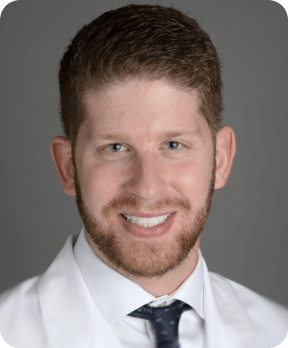
  • Samuel Goldman, MD