ERcast: Clinical Perspectives Podcast Preview


The summary below is from an episode of ERcast: Clinical Perspectives
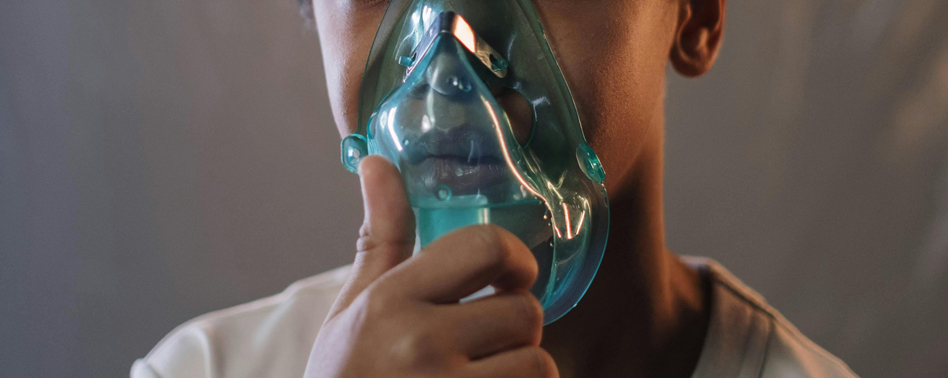
Peri-intubation hypoxemia is common in critically ill adults and sharply raises the risk of cardiac arrest. In the PREOXI trial, noninvasive ventilation outperformed an oxygen mask for preoxygenation before emergency tracheal intubation in ED and ICU patients.
PREOXI trial clinical takeaways
- Hypoxemia prevention signal: Noninvasive ventilation cut peri-intubation hypoxemia to 9.1% versus 18.5% with an oxygen mask, a clinically meaningful reduction in one of airway management’s most dangerous complications.
- Broad emergency population: This pragmatic randomized trial enrolled 1,301 critically ill adults across 24 US EDs and ICUs, making the result feel immediately applicable to real-world emergency and critical care practice.
- First pass physiology: The physiologic advantage is alveolar recruitment and higher end-expiratory pressure during preoxygenation, not just a higher FiO2. We get into the setup nuances in the episode.
- Aspiration concern addressed: Positive-pressure preoxygenation did not increase aspiration, with low event rates in both groups, which challenges a common reason clinicians default to a nonrebreather or bag-valve mask.
- Practical bedside shift: The operational takeaway is to favor noninvasive ventilation for roughly 3 minutes before induction when time allows, while recognizing there are workflow and equipment details worth hearing in the chapter.
Subscribe to ERcast: Clinical Perspectives to listen to the episode.
References:
- Gibbs KW, et al. N Engl J Med. 2024;doi:10.1056/NEJMoa2313680.
Faculty
- Matthew DeLaney, MD, FACEP, FAAEM
Dr. Matthew DeLaney is an emergency medicine physician and educator based in Birmingham, Alabama. A native of Mobile, he earned his medical degree from the University of South Alabama and completed his emergency medicine residency at Maine Medical Center.Dr. DeLaney has experience in both community and academic emergency medicine and is known for his commitment to teaching and medical education. He lives in Birmingham with his wife, Erin, who is also a physician, and their two daughters.
- Stephanie DeMasi, MD