ERcast: Clinical Perspectives Podcast Preview

Lit Matters + Shifting to Politics
- Oct 13, 2026
- 1 Chapter
- 54 min
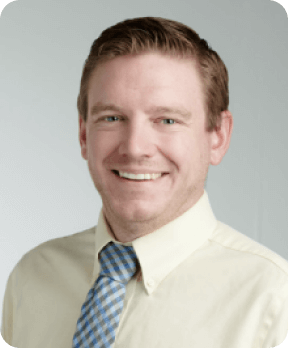
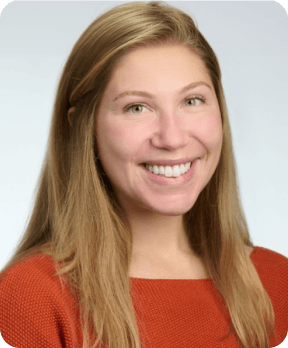
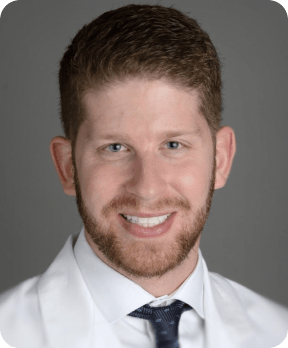
The 2026 AHA/ASA acute ischemic stroke guideline brings major bedside updates, including tenecteplase as a first-line lytic, less aggressive blood pressure lowering after successful thrombectomy, and broader eligibility for EVT. Cam Berg and Jeremy Driscoll highlight what changed, what matters most in practice, and where the strength of the recommendations outpaces the underlying evidence. Then, join Cam as he sits down with Arvind Venkat, Emergency Physician and Pennsylvania state legislator, to discuss his path from clinical medicine to elected office and how frontline experience shapes his approach to healthcare policy. They explore lessons from campaigning, the realities of passing legislation, and why continuing to work in the ED helps Venkat stay connected to the patients and problems behind the policies he hopes to change.
Faculty
- Brett Murray, MD
Dr. Murray is an Emergency Medicine physician practicing at a busy community trauma center. After attending Boston University School of Medicine, he completed his residency training at Brown University / Rhode Island Hospital, where he also served as Chief Resident from 2020 – 2021. His clinical interests center on medical education, performance science, and Emergency Medical Services.
- Anne Steckowych, APRN
Emergency medicine is in Anne’s blood; her father has been an Emergency Medicine physician for the last 30 years. After earning her nursing degree from the University of New Hampshire (UNH) in 2018, Anne worked as an EMT at her local fire department, gaining practical experience that prepared her for five years as a nurse in the emergency department. She eventually returned to UNH to become an NP and has spent the last 8 years in the same ED, building relationships with a clinical team dedicated to providing the best possible patient care. Outside of the hospital, she’s usually skiing, hiking, or running in the New Hampshire hills. ERcast is her first podcast, and she’s thrilled to be part of the Hippo team.
- Cameron Berg, MD
Based in Minneapolis, MN, Dr. Berg focuses on simplifying complex patient care processes, such as chest pain, syncope, and heart failure treatment. Since 2020, he has also been navigating his own recovery from a TBI after a bicycle accident. When he isn't in the clinic, Cameron is usually busy keeping his three young children alive and happy.
- Jeremy Driscoll, MD
Dr. Driscoll is a board-certified in Emergency Medicine physician that practices in Scottsdale, Arizona. He graduated from the University of Arizona with a degree in Molecular & Cellular Biology, graduating Summa Cum Laude and Phi Beta Kappa honors. Dr. Driscoll attended medical school at the University of Central Florida in Orlando, where he was inducted into Alpha Omega Alpha Medical Honor Society. He completed his training in Emergency Medicine at Carolinas Medical Center in Charlotte, North Carolina. Dr. Driscoll also serves as a Clinical Instructor of Emergency Medicine at the University of Arizona College of Medicine - Phoenix.
- Arvind Venkat, MD