ERcast: Clinical Perspectives Podcast Preview

Lit Matters + Ketamine Executives
- Sep 15, 2026
- 1 Chapter
- 53 min
Emergency physician Dr. Sam Ko shares how he transitioned from clinical emergency medicine to building one of the country's earliest ketamine infusion practices, discussing the science behind ketamine therapy, physician entrepreneurship, and the lessons he learned growing a successful cash-pay business. He also explores physician wellness, Stoic philosophy, and why addressing burnout while pursuing meaningful curiosity can help emergency physicians build more sustainable and fulfilling careers. Stay for this month’s Lit Matters to hear Cam and Jeff cover two papers that challenge long-held assumptions in emergency medicine. One focuses on airway management and the other on subarachnoid hemorrhage; both ask the same question: Are our current practices based on evidence that still holds true?
Faculty
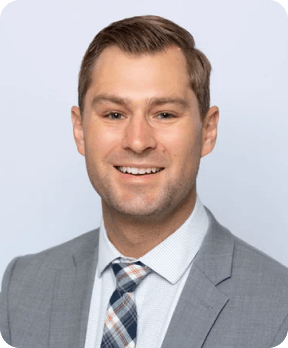
- Cameron Berg, MD
Based in Minneapolis, MN, Dr. Berg focuses on simplifying complex patient care processes, such as chest pain, syncope, and heart failure treatment. Since 2020, he has also been navigating his own recovery from a TBI after a bicycle accident. When he isn't in the clinic, Cameron is usually busy keeping his three young children alive and happy.
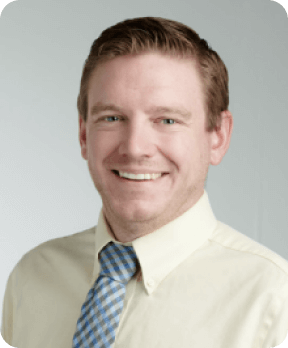
- Geoffrey Comp, DO, FACEP
Dr. Comp is an Associate Program Director for the Creighton University / Valleywise Health Emergency Medicine Residency Program in Phoenix. A clinician-educator at heart, Geoff spends his time mentoring the next generation of Emergency Medicine residents and advocating for better ways to teach and learn medicine. His professional world revolves around wilderness medicine, clinician wellness, and finding innovative ways to bridge the gap between theory and the bedside. When he isn’t in the ED or the classroom, you’ll likely find him combining his love for medicine with his passion for the outdoors, always looking for a new trail to explore or a new way to collaborate with fellow clinicians.
- Anne Steckowych, APRN
Emergency medicine is in Anne’s blood; her father has been an Emergency Medicine physician for the last 30 years. After earning her nursing degree from the University of New Hampshire (UNH) in 2018, Anne worked as an EMT at her local fire department, gaining practical experience that prepared her for five years as a nurse in the emergency department. She eventually returned to UNH to become an NP and has spent the last 8 years in the same ED, building relationships with a clinical team dedicated to providing the best possible patient care. Outside of the hospital, she’s usually skiing, hiking, or running in the New Hampshire hills. ERcast is her first podcast, and she’s thrilled to be part of the Hippo team.
- Brett Murray, MD
Dr. Murray is an Emergency Medicine physician practicing at a busy community trauma center. After attending Boston University School of Medicine, he completed his residency training at Brown University / Rhode Island Hospital, where he also served as Chief Resident from 2020 – 2021. His clinical interests center on medical education, performance science, and Emergency Medical Services.
- Sam Ko, MD