ERcast: Clinical Perspectives Podcast Preview

Lit Matters and Leadership

Lit Matters and Leadership

  • Jul 14, 2026
  • 1 Chapter
  • 54 min

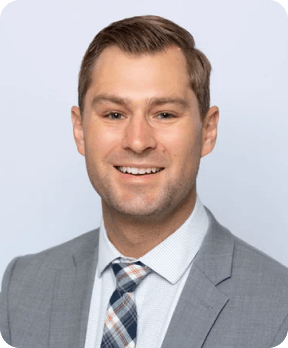
In this month's Beyond the Shift, Cam introduces listeners to Dr. Benjamin Constance, an emergency physician whose career spans hospital leadership, wilderness medicine, FEMA service, and academic medicine. The conversation focuses on his work in developing and leading a local democratic physician group.   Then, in Lit Matters, Geoff and Cam focus on two major neurocritical care updates with direct emergency department implications: the 2024 ACEP status epilepticus clinical policy and the ENRICH trial for spontaneous intracerebral hemorrhage.

Chapters

Lit Matters and Leadership

Benzodiazepine-refractory generalized convulsive status epilepticus has no clearly superior second-line drug among levetiracetam, fosphenytoin, and valproate. Spontaneous lobar intracerebral hemorrhage may benefit from early minimally invasive evacuation in carefully selected patients. Separately, democratic emergency physician groups rise or fail on shared governance, local autonomy, and durable hospital relationships. Status Epilepticus Clinical Policy Equivalent second-line options: After adequate benzodiazepines fail, ACEP gives a Level A recommendation to use levetiracetam, fosphenytoin, or valproate, reflecting ESETT's near-identical seizure-control results. Optimal benzo prerequisite: The policy hinges on truly adequate first-line benzodiazepine dosing before calling status epilepticus refractory, a distinction that changes what should happen next. We get into that bedside framing in the episode. Persistent seizure burden: More than half of patients were still seizing at 60 minutes despite second-line therapy, so airway planning, infusion readiness, and ICU escalation should start early. Drug-specific cautions: Levetiracetam has few contraindications, fosphenytoin can worsen bradycardia or AV-node disease, and valproate is a poor fit in severe liver disease. Home medication strategy: If a patient already takes one of the big three at home, switching to a different second-line agent may work better than simply re-loading the same drug. ENRICH and Spontaneous ICH First positive surgical trial: ENRICH is the first modern randomized trial to show better 180-day functional outcomes with surgery for spontaneous supratentorial intracerebral hemorrhage. Lobar hemorrhage signal: The apparent benefit was driven mainly by lobar ICH rather than anterior basal ganglia bleeds, which should sharpen early neurosurgical conversations. Early minimally invasive approach: The operative strategy used minimally invasive parafascicular evacuation within 24 hours, leveraging natural brain corridors to limit white-matter disruption. That selection nuance is worth hearing in the chapter. Generalizability limits: This was a device-specific, surgeon-specific trial in hemorrhages of defined size and location, so many community hospitals cannot reproduce the setup directly. ED disposition implication: Spontaneous ICH is no longer an automatic no-surgery diagnosis; early transfer pathways and a direct question to neurosurgery now matter more. Democratic Group Leadership Shared governance model: Democratic emergency medicine groups are defined by physician ownership, voting rights, profit sharing, and real local operational influence rather than centralized corporate control. Growth changes structure: Small groups can run on broad consensus, but expansion usually forces management boards and administrative infrastructure if the organization wants to stay functional. Culture as strategy: During expansion, preserving local autonomy and avoiding a satellite-office feel were treated as operational priorities, not soft values. We walk through that tension on the show. Healthy conflict principle: Messy debate is framed as a sign of engagement and psychological safety, with disagreement strengthening culture more than forced consensus in larger groups. Hospital relationship leverage: Leadership opportunities often start outside the ED through committees, networking, and informal administrative relationships rather than formal job postings alone.

Faculty

  • Cameron Berg, MD

    Based in Minneapolis, MN, Dr. Berg focuses on simplifying complex patient care processes, such as chest pain, syncope, and heart failure treatment. Since 2020, he has also been navigating his own recovery from a TBI after a bicycle accident. When he isn't in the clinic, Cameron is usually busy keeping his three young children alive and happy.

  • Geoffrey Comp, DO, FACEP

    Dr. Comp is an Associate Program Director for the Creighton University / Valleywise Health Emergency Medicine Residency Program in Phoenix. A clinician-educator at heart, Geoff spends his time mentoring the next generation of Emergency Medicine residents and advocating for better ways to teach and learn medicine. His professional world revolves around wilderness medicine, clinician wellness, and finding innovative ways to bridge the gap between theory and the bedside. When he isn’t in the ED or the classroom, you’ll likely find him combining his love for medicine with his passion for the outdoors, always looking for a new trail to explore or a new way to collaborate with fellow clinicians.

  • Anne Steckowych, APRN

    Emergency medicine is in Anne’s blood; her father has been an Emergency Medicine physician for the last 30 years. After earning her nursing degree from the University of New Hampshire (UNH) in 2018, Anne worked as an EMT at her local fire department, gaining practical experience that prepared her for five years as a nurse in the emergency department. She eventually returned to UNH to become an NP and has spent the last 8 years in the same ED, building relationships with a clinical team dedicated to providing the best possible patient care. Outside of the hospital, she’s usually skiing, hiking, or running in the New Hampshire hills. ERcast is her first podcast, and she’s thrilled to be part of the Hippo team.

  • Brett Murray, MD

    Dr. Murray is an Emergency Medicine physician practicing at a busy community trauma center. After attending Boston University School of Medicine, he completed his residency training at Brown University / Rhode Island Hospital, where he also served as Chief Resident from 2020 – 2021. His clinical interests center on medical education, performance science, and Emergency Medical Services.

  • Ben Constance, MD/MBA