ERcast: Clinical Perspectives Podcast Preview



The summary below is from an episode of ERcast: Clinical Perspectives
Autoimmune encephalitis is a rare but can’t-miss cause of acute psychosis, especially in previously healthy children and young adults. Anti-NMDA receptor disease dominates the syndrome, and normal CT or even normal MRI does not exclude it. The bedside clues are psychiatric change plus abnormal movements, seizures, or autonomic instability.
Autoimmune Encephalitis in Acute Psychosis
- High-risk clinical pattern: Previously healthy children and young adults with acute or subacute personality change, language disintegration, and new psychosis deserve consideration of autoimmune encephalitis rather than a primary psychiatric disorder.
- Movement disorder clues: Abnormal orofacial movements and subtle limb movements are classic early clues, with ataxia, chorea, dystonia, myoclonus, or tremor broadening the motor phenotype.
- Late neurologic red flags: Seizures, prolonged status epilepticus, and autonomic instability signal advancing disease and help separate autoimmune encephalitis from routine psychiatric presentations.
- Imaging can mislead: CT is almost always normal, and MRI is normal in about 50% of cases, so a reassuring scan should not lower suspicion too quickly. We get into the imaging nuance in the episode.
- Lumbar puncture priority: All patients with suspected autoimmune encephalitis should undergo lumbar puncture, with CSF typically showing lymphocytic pleocytosis, normal glucose, and only slight protein elevation.
- EEG and antibody testing: EEG is abnormal in roughly 90% of cases with diffuse slowing, while extreme delta brush is the pathognomonic but uncommon pattern; CSF antibody testing targets anti-NMDA and related panels.
Treatment and Disposition Priorities
- First-line immunotherapy: Initial treatment centers on corticosteroids, IVIG, and plasmapheresis, with escalation to rituximab or cyclophosphamide in refractory cases.
- Tumor association search: Reproductive-system tumors can drive disease, especially ovarian teratoma, so targeted ultrasound matters because resection can accelerate recovery.
- Need for higher-level care: Many patients need prolonged ICU-level management for seizures and dysautonomia, and transfer is a strong move if immunotherapy or neurocritical support is not available locally.
- Anti-NMDA predominance: Anti-NMDA receptor encephalitis accounts for about 90% of autoimmune encephalitis cases, while anti-GABA-B and anti-GAD syndromes are much less common.
Subscribe to ERcast: Clinical Perspectives to listen to the episode.
References:
- Goenka A, Chikkannaiah M, Kumar G. Pediatric autoimmune encephalitis. Curr Probl Pediatr Adolesc Health Care. 2021 Jul;51(7):101031. PMID: 34272178.
- Jones KC, Benseler SM, Moharir M. Anti-NMDA Receptor Encephalitis. Neuroimaging Clin N Am. 2013 May;23(2):309-20. PMID: 23608692.
- Bacchi S, Franke K, Wewegama D, Needham E, Patel S, Menon D. Magnetic resonance imaging and positron emission tomography in anti-NMDA receptor encephalitis: A systematic review. J Clin Neurosci. 2018 Jun;52:54-59. PMID: 29605275.
- Jeannin-Mayer S, André-Obadia N, Rosenberg S, et al. EEG analysis in anti-NMDA receptor encephalitis: Description of typical patterns. Clin Neurophysiol. 2019 Feb;130(2):289-296. PMID: 30611120.
- Quade A, Häusler M, et al. Autoimmune Encephalitis with Autoantibodies to NMDAR1 following Herpes Encephalitis in Children and Adolescents. Neuropediatrics. 2023 Feb;54(1):14-19. PMID: 36543183.
- Walker CA, Poulik J, D'Mello RJ. Anti-NMDA receptor encephalitis in an adolescent with a cryptic ovarian teratoma. BMJ Case Rep. 2021 Jul 6;14(7):e236340. PMID: 34230042.
Faculty
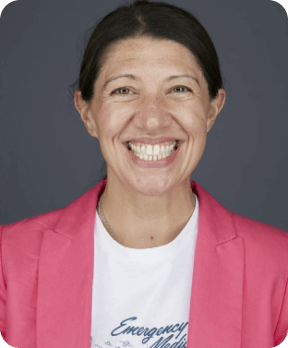
- Tiffany Proffitt, DO
Dr. Proffitt is a board-certified Emergency Medicine physician practicing in Scottsdale, Arizona. She completed her medical training at Midwestern University Chicago College of Osteopathic Medicine and found her passion for medical education during her residency at Spectrum Health Lakeland. Tiffany is the co-founder and co-chairwoman of the HonorHealth Women Physicians Leadership Council, where she works to enhance professional development for 550 women clinicians. When she isn’t in the ED or podcasting, she’s chasing twins, dancing with toddlers, and enthusiastically singing the wrong lyrics to every song.
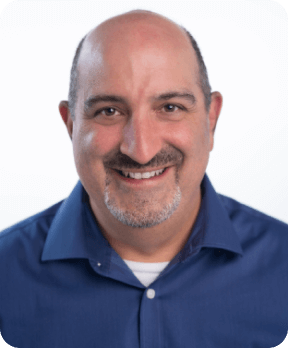
- Solomon Behar, MD