ERcast: Clinical Perspectives Podcast Preview


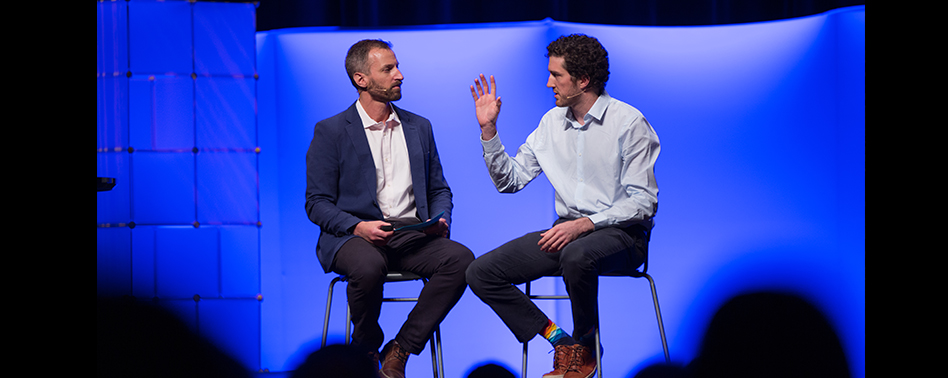
Hippo ERcast October 2021
- Oct 2021
- 7 Chapters
- 2 hr 24 min
Rob and Jenny discuss two cardiac arrest cases that were NOT due to myocardial pathology. On EEM Rewind, ophthalmologist Will Flanary breaks down the wonderful world of eye drops. OB/GYN Megan Jones joins Miz to guide us through the OB nightmare that is shoulder dystocia. Michael Kurz makes the case for targeted temperature management in cardiac arrest. In Lit Matters, we review the literature on nebulized ketamine, preventing post-LP headache, and ECG diagnosis of acute coronary occlusion in ventricular paced rhythms.
Faculty
- Matthew DeLaney, MD, FACEP, FAAEM
Dr. Matthew DeLaney is an emergency medicine physician and educator based in Birmingham, Alabama. A native of Mobile, he earned his medical degree from the University of South Alabama and completed his emergency medicine residency at Maine Medical Center.Dr. DeLaney has experience in both community and academic emergency medicine and is known for his commitment to teaching and medical education. He lives in Birmingham with his wife, Erin, who is also a physician, and their two daughters.
- Rob Orman, MD
Dr. Rob Orman is an emergency physician, educator, and executive coach specializing in physician performance and professional fulfillment. After more than 20 years in community emergency medicine, he now works with clinicians across specialties to address burnout, inefficiency, and career challenges. He earned his medical degree from Emory University School of Medicine and completed his residency at Denver Health Medical Center, where he served as chief resident. Dr. Orman is the founder of the Stimulus podcast and Orman Physician Coaching. He previously served as chief editor of ERcast and hosted Essentials of Emergency Medicine for nearly a decade.
- Mizuho Morrison, DO
Dr. Mizuho Morrison is a board-certified Emergency Medicine physician practicing in Southern California. She played a leadership role in FeminEM, helping develop and support its speaker coaching program, and occasionally contributes to Rebel EM. Additionally, Mizuho is an entrepreneur, co-founding 3MD| Three Mommy Doctors, a medical device company that redesigned first-aid kits for children. She lives in Orange County, CA, with her two children.
- Megan Jones, MD
- Michael Kurz, MD
- Salim Rezaie, MD
- William Flanary, MD
- Jenny Beck-Esmay, MD



Chapters
The Case of the Tense Belly
Abdominal compartment syndrome is a rare but lethal cause of shock and cardiac arrest, often hiding behind abdominal distension, dyspnea, and falling urine output. Subarachnoid hemorrhage can also masquerade as STEMI, with transient ST elevation and arrhythmias despite no coronary occlusion. Abdominal Compartment Syndrome Pearls Venous outflow obstruction: Abdominal compartment syndrome is fundamentally a pressure problem: compression of the IVC and portal venous system can collapse preload, raise CVP, and precipitate obstructive shock. Classic clinical triad: The bedside pattern is abdominal distension, dyspnea, and decreased urine output, with altered mental status as an additional red flag when the abdomen keeps getting tighter. High-risk clinical settings: Trauma, burns, massive ascites, major fluid shifts, recent abdominal surgery, and transplant patients all sit in the danger zone for rising intra-abdominal pressure. Tense abdomen arrest clue: A suddenly rigid, distended abdomen after decompensation should move abdominal compartment syndrome up the list fast, especially when the rest of the infectious or cardiopulmonary workup is thin. We get into the bedside recognition cues in the episode. Definitive pressure relief: Initial care is supportive resuscitation, but survival hinges on decompression with laparotomy when compartment physiology is driving the collapse. Subarachnoid Hemorrhage as STEMI Mimic Neurogenic ST elevation: Subarachnoid hemorrhage can produce convincing ST elevation through hypothalamic-autonomic catecholamine surge, even when bedside echo shows no wall-motion abnormality. Electrical instability pattern: The ECG footprint is broader than ST elevation alone: SAH is linked to QT prolongation, deep T-wave inversion, VT, VF, torsades, atrial fibrillation, and U waves. Troponin prognostic signal: About one in five patients with SAH has an elevated troponin, and that biomarker tracks with worse neurologic outcomes rather than proving a primary coronary occlusion. History-exam mismatch: When the pre-arrest story includes seizure-like activity, odd neurologic symptoms, or profound bradycardia, a STEMI tracing may be the mimic and not the diagnosis. That distinction is worth hearing in the episode. Broadened ST elevation differential: Not all ST elevation is thrombotic MI; increased intracranial pressure, pericarditis, hyperkalemia, hypothermia, LV aneurysm, PE, and blunt trauma all belong on the board.
Lit Matters #1: KetaBAN: Nebulized Ketamine
Nebulized ketamine appears to provide clinically meaningful short-term analgesia for acute painful conditions in the emergency department. In a randomized ED trial, a 0.75 mg/kg dose delivered through a breath-actuated nebulizer was effective and well tolerated, with a possible signal for fewer psycho-perceptual effects than IV subdissociative ketamine. Nebulized Ketamine for ED Analgesia Breath-actuated delivery route: Ketamine was given through a breath-actuated nebulizer, offering a needle-free analgesic route for acute ED pain when IV access is delayed, undesirable, or part of the practical question. Headline effective dose: A 0.75 mg/kg nebulized dose was both efficacious and safe, making the lowest studied regimen the practical takeaway rather than escalating automatically to higher doses. Pain score response: Mean pain scores fell by about 4 points from baseline, and the reduction was clinically significant by 30 minutes across all three dosing regimens. No higher-dose advantage: The 1.0 mg/kg and 1.5 mg/kg regimens did not outperform 0.75 mg/kg at 30 minutes, arguing against a clear analgesic payoff from simply increasing the dose. Psycho-perceptual effect signal: Psycho-perceptual effects occurred in about 25% of patients, a lower rate than prior IV subdissociative ketamine reports, though cross-trial comparisons need caution. We get into the route-comparison nuance in the episode. Rescue opioid requirement: Only 10 of 120 patients needed opioid rescue analgesia, a reassuring signal that nebulized ketamine may reduce escalation in selected ED pain presentations.
EEM Rewind: The Wonderful World of Eye Drops
Emergency eye drops fall into four practical buckets: antibiotics, anesthetics, steroids, and pressure-lowering agents for acute angle-closure glaucoma. A few choices matter disproportionately in the ED, including drops over ointment for tolerance, steroids only with ophthalmology input, and a multimodal approach when intraocular pressure is high. ED Eye Drops That Matter Antibiotic workhorse choices: Polymyxin B/trimethoprim and ofloxacin are the reliable first-line drops: safe, inexpensive, and usually better tolerated than ointment for routine ED ocular infections and epithelial defects. When ointment helps most: Erythromycin or bacitracin ointment earns its place when lubrication is part of the treatment plan, especially with corneal abrasion or severe dry eye, not because ointment treats infection better. Agents to avoid: Sulfacetamide and gentamicin are poor ED choices because they can be caustic or toxic to the ocular surface, a useful distinction we get into in the episode. Topical steroid boundary: Prednisolone, dexamethasone, and difluprednate should not be started independently in the ED; topical steroids belong behind an ophthalmology recommendation because the wrong eye gets harmed fast. Limited topical anesthetics: Topical anesthetics can be reasonable for a simple traumatic corneal abrasion, but only in a tightly limited 24-hour quantity and only when the diagnosis is absolutely secure. Corneal Defects and Red Eye Epithelial defect infection risk: Any epithelial defect, from corneal abrasion to exposure keratopathy, loses the cornea's protective barrier and needs a topical antibiotic to prevent secondary bacterial infection. Herpetic lesion pairing: Suspected herpetic dendrites call for an oral antiviral plus a topical antibiotic, because the viral process and the bacterial superinfection risk are separate problems. Bacterial conjunctivitis clues: Purulent copious discharge in children or nursing-facility patients points toward bacterial conjunctivitis; drops are usually preferable because these eyes are already goopy enough. Viral conjunctivitis reality: Viral conjunctivitis often looks worse than bacterial disease, with pain, watery discharge, and swollen lids, yet usually does not need antibiotics; the bedside distinction is worth hearing in the chapter. Corneal ulcer risk split: Ulcer size and location drive urgency: small peripheral ulcers are less vision-threatening, while central ulcers can jeopardize the visual axis and demand more aggressive therapy plus ophthalmology follow-up. Acute Angle-Closure Glaucoma Drops Multimodal pressure strategy: Acute angle-closure glaucoma is not a one-drop problem; acetazolamide plus dorzolamide/timolol and brimonidine targets aqueous production and outflow from multiple angles. Timolol airway caution: Timolol is useful for mild glaucoma, but a history of reactive airways should make you pause because beta-blockade can create trouble outside the eye. Cosopt severe disease role: Dorzolamide/timolol is a strong ED option for severe glaucoma because it suppresses aqueous humor production with two mechanisms rather than one. Brimonidine as adjunct: Brimonidine is the classic add-on when timolol/dorzolamide is already running, contributing both reduced aqueous production and improved outflow. Acetazolamide sickle caution: Oral acetazolamide is a key severe-glaucoma medication, but sickle cell anemia is an important contraindication. We walk through the practical regimen in the episode.

Lit Matters #2: Preventing Post LP Headache
Post-lumbar puncture headache is driven more by technique than by post-procedure rituals. The best-supported prevention steps are choosing an atraumatic needle and favoring lateral decubitus positioning, while bed rest, extra fluids, and caffeine do not reliably reduce PLPH. Preventing Post-LP Headache Atraumatic needle choice: Atraumatic needles have the clearest evidence for lowering post-lumbar puncture headache risk, and they do not appear to make the procedure meaningfully harder in routine practice. Lateral decubitus positioning: Lateral decubitus positioning may reduce PLPH compared with seated attempts, a practical setup detail that matters more than many of the post-LP rituals we still use. Post-procedure myths: Bed rest, extra fluids, and caffeine have not shown reliable benefit for preventing PLPH, a useful reset if your usual discharge advice still leans on them. We get into the evidence nuances in the episode. Patient risk patterns: Older age appears protective, while children and newborns carry higher risk; sex, low BMI, and chronic headache history are less settled than many clinicians assume. Technique details that matter: A higher intervertebral space may lower headache risk, whereas limiting CSF volume, aspirating CSF, and difficult or prolonged attempts have not shown consistent prevention benefit.

OB Nightmares: Shoulder Dystocia
Shoulder dystocia is a clinical obstetric emergency diagnosed when the anterior shoulder will not deliver after the head, often with the classic turtle sign. It is time critical, frequently unpredictable, and early team coordination matters in both tertiary centers and rural emergency departments. Shoulder Dystocia Recognition and Response Clinical diagnosis only: Shoulder dystocia is diagnosed at the bedside when the anterior shoulder fails to deliver with traction after the head; imaging does not help and recognition has to be immediate. Turtle sign clue: Retraction of the fetal head back against the perineum is the named red flag that should make you think shoulder dystocia before more traction worsens impaction. Unreliable risk factors: Macrosomia, diabetes, excess maternal weight gain, protracted labor, and prior dystocia all raise concern, but more than half of cases occur without any risk factor at all. Immediate team actions: The first moves are to stop maternal pushing, call for obstetric and neonatal help, and start a timer and documentation, with the timing priorities laid out in the episode. Time-critical framing: Rapid delivery matters because prolonged impaction threatens both fetal oxygenation and maternal morbidity, and most successful resolutions happen within the first few minutes. Core Maneuvers and Rescue Options McRoberts first maneuver: McRoberts changes pelvic mechanics by flattening the sacrum and rotating the pubic symphysis cephalad, making it a foundational first-line maneuver in shoulder dystocia. Suprapubic pressure direction: External pressure belongs over the suprapubic area and directed toward the fetal face to rotate the shoulder; fundal pressure is specifically contraindicated. Posterior arm delivery priority: Posterior arm delivery is a high-yield early maneuver because reducing that arm decreases the bisacromial diameter and often relieves the impaction quickly. Repeat attempt mindset: If the first pass fails, McRoberts and posterior arm delivery should be attempted again rather than abandoned too early. We get into the practical sequencing in the chapter. Advanced rotational maneuvers: Rubin, Woods corkscrew, and the Gaskin all-fours position are next-line options aimed at rotating or repositioning the shoulders when initial measures fail. Last-ditch salvage procedures: Intentional clavicle fracture, abdominal-assisted delivery, proctoepisiotomy, and pubic symphysiotomy exist for austere or catastrophic scenarios, but the decision boundaries are deliberately narrow.

Lit Matters #3: ECG Dx of Acute Coronary Occlusion in Ventricular Paced Rhythms
Ventricular paced rhythms can hide acute coronary occlusion, and classic STEMI criteria perform poorly in this setting. Modified Sgarbossa criteria improve sensitivity for occlusion MI while preserving useful specificity, making them highly relevant when a paced ECG accompanies symptoms concerning for ACS. Occlusion MI in Paced Rhythms Paced ECG ischemia problem: Ventricular pacing obscures repolarization, so acute coronary occlusion is easy to miss when clinicians rely on standard STEMI pattern recognition alone. Modified Sgarbossa advantage: Modified Sgarbossa criteria were as specific and clearly more sensitive than the original Sgarbossa criteria for occlusion MI in ventricular paced rhythm. Proportional discordance finding: The most useful single finding was proportionally excessive discordant ST elevation, using the ST-segment to S-wave ratio rather than a fixed millimeter cutoff. Concordant depression clue: Adding concordant ST depression in V1 through V6 improved case detection further, a nuance worth hearing in the episode. Reperfusion decision support: In a patient with ventricular paced rhythm and ACS symptoms, a positive modified Sgarbossa pattern can meaningfully raise concern for OMI and support emergent cath lab thinking.

Targeted Temperature Management
Targeted temperature management after out-of-hospital cardiac arrest remains a neurologic salvage strategy, not a settled dead end. TTM2 found no mortality difference between 33°C and fever prevention, but major trial populations differ from typical US arrest patients in ways that may matter at the bedside. Targeted Temperature Management After Arrest Neuroprotection signal: Hypothermia has a durable biologic rationale after cardiac arrest, with preclinical models repeatedly showing preserved brain cells and better neurologic function after cooling. HACA trial benefit: The landmark HACA trial linked cooling to 32-34°C with better neurologically intact survival, improving favorable outcomes from 39% to 55% after VF arrest. TTM1 misread: TTM1 showed no advantage of 33°C over 36°C, but it did not include a normothermia arm, so it never proved that active temperature control was unnecessary. TTM2 neutral result: TTM2 found similar 6-month mortality with 33°C versus fever control, but hemodynamically significant arrhythmias were more common with hypothermia at 24% versus 17%. Generalizability concern: TTM2 enrolled a substantially different arrest population than many US centers see, including markedly higher bystander CPR and ventricular fibrillation rates. We get into why that matters in the episode. Precision over improvisation: If you use TTM, the key principle is precise core-temperature control with a closed-loop system rather than casual cooling, and there are practical transfer and measurement pearls in the chapter.