ERcast: Clinical Perspectives Podcast Preview



Hippo ERcast November 2025
- Nov 2025
- 7 Chapters
- 2 hr 23 min
Welcome to the November 2025 Edition of ERcast! This month, Geoff, Drew, and Andy are celebrating advancements in Emergency Medicine that improve patient care. Brit Long guides us through the diagnosis and management of Nonconvulsive Status. Tim Montrief and Matt DeLaney discuss the common procedures and the associated complications of plastic surgery. Christina Shenvi talks with ENT surgeon Justin Miller to review and discuss the pearls and pitfalls in performing an ED cricothyrotomy. Cam and Drew provide us with three articles to review in Lit Matters. Enjoy!
Faculty
- Drew Kalnow, DO
Dr. Drew Kalnow is an emergency medicine physician and educator based in Columbus, Ohio. He completed his emergency medicine training at OhioHealth Doctors Hospital Emergency Medicine Residency. Dr. Kalnow is passionate about advancing emergency medicine through high-quality education, with a particular focus on simulation, learning theory, and innovative teaching.
- Geoffrey Comp, DO, FACEP
Dr. Comp is an Associate Program Director for the Creighton University / Valleywise Health Emergency Medicine Residency Program in Phoenix. A clinician-educator at heart, Geoff spends his time mentoring the next generation of Emergency Medicine residents and advocating for better ways to teach and learn medicine. His professional world revolves around wilderness medicine, clinician wellness, and finding innovative ways to bridge the gap between theory and the bedside. When he isn’t in the ED or the classroom, you’ll likely find him combining his love for medicine with his passion for the outdoors, always looking for a new trail to explore or a new way to collaborate with fellow clinicians.
- Matthew DeLaney, MD, FACEP, FAAEM
Dr. Matthew DeLaney is an emergency medicine physician and educator based in Birmingham, Alabama. A native of Mobile, he earned his medical degree from the University of South Alabama and completed his emergency medicine residency at Maine Medical Center.Dr. DeLaney has experience in both community and academic emergency medicine and is known for his commitment to teaching and medical education. He lives in Birmingham with his wife, Erin, who is also a physician, and their two daughters.
- Brit Long, MD
Dr. Brit Long is a Professor of Emergency Medicine at the University of Virginia and an emergency medicine physician with experience in both a community ED and at a military academic center ED. He is the Clinical Editor-in-Chief of emDOCs.His professional interests include medical education, evidence-based medicine, and the FOAMed movement. Outside of work, he enjoys spending time with his wife and two daughters
- Cameron Berg, MD
Based in Minneapolis, MN, Dr. Berg focuses on simplifying complex patient care processes, such as chest pain, syncope, and heart failure treatment. Since 2020, he has also been navigating his own recovery from a TBI after a bicycle accident. When he isn't in the clinic, Cameron is usually busy keeping his three young children alive and happy.
- Christina Shenvi, MD, PhD
Dr. Christina Shenvi is a Professor of Emergency Medicine at the University of North Carolina at Chapel Hill School. She is fellowship-trained in geriatric emergency medicine and is the creator and host of GEMCAST, a podcast focused on geriatric EM. Dr. Shenvi has served on the Board of Governors for the ACEP Geriatric ED accreditation. A passionate educator, she has received multiple institutional and national teaching awards and co-directs the ACEP Teaching Fellowship. Her academic interests include teaching and learning, deliberate practice, and innovative pedagogy.
- Tim Montrief MD, MPH
Dr. Timothy Montrief is an emergency medicine and critical care physician, educator, and author with interests in resuscitation, airway management, critical care, and medical education. He earned his MD and MPH degrees from the University of Miami Miller School of Medicine and completed his emergency medicine training at Jackson Memorial Hospital/University of Miami, followed by additional fellowship training in critical care medicine. Dr. Montrief has contributed extensively to emergency medicine education through academic publications, digital learning platforms, and FOAMed initiatives, including work with emDocs. His academic work has focused on critical care, ultrasound, toxicology, airway management, and high-risk emergency medicine presentations. Outside of medicine, he enjoys cooking, skydiving, and spending time near the ocean.
- Andy Little, DO
Dr. Andy Little is an emergency medicine physician and educator. He earned his medical degree from the Ohio University Heritage College of Osteopathic Medicine and completed his emergency medicine residency at OhioHealth Doctors Hospital Emergency Medicine Residency, where he served as Chief Resident. He has received multiple national awards, including recognition from the American Osteopathic Association, American College of Osteopathic Emergency Physicians, and Emergency Medicine Residents' Association.
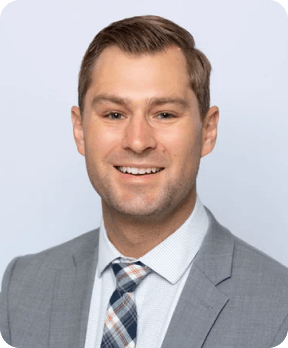
- Justin Miller, MD





Chapters
What are you thankful for?
High-sensitivity troponin has changed chest pain risk stratification, video laryngoscopy has largely overtaken direct laryngoscopy for emergency intubation, and GRACE-4 gives emergency clinicians a practical framework for alcohol use disorder. These are three meaningful shifts in emergency medicine care with direct bedside impact. Chest Pain Risk Stratification HEART score foundation: The HEART score remains a practical starting point for ED chest pain evaluation, giving a structured risk estimate that helps separate low-risk patients from those needing closer ischemic workup. High-sensitivity troponin value: High-sensitivity troponins sharpen early MI assessment and help avoid low-acuity admissions when paired with sound clinical risk stratification rather than used in isolation. OMI versus NOMI framing: Occlusive MI versus non-occlusive MI is a more useful clinical lens than STEMI alone, because dangerous coronary occlusion can be present without classic ST-elevation. Disposition implications: Combining clinical scoring with modern troponin testing improves routing to the right level of care within a reasonable timeline, and we get into that practical framing in the episode. Direct Versus Video Laryngoscopy Video laryngoscopy advantage: Current airway data increasingly support video laryngoscopy as the more effective default intubation tool, especially when first-pass success is the outcome that matters most. Blade and device nuance: The modern question is often less video versus direct and more which video setup to choose, since blade geometry and device familiarity both affect performance. Direct laryngoscopy role: Direct laryngoscopy still has a place in selected emergency airway scenarios, but its strongest indications are narrower than they once were. Evidence-informed airway choices: The intubation conversation is now guided by a much larger evidence base than before, with practical exceptions and operator considerations we walk through on the show. Alcohol Use Disorder Care GRACE-4 guidance: GRACE-4 gives emergency clinicians a clearer framework for patients with alcohol use disorder, moving care beyond the old binary of ICU admission versus discharge to keep drinking. Withdrawal care gap: Many EDs still lack the resources to treat addiction longitudinally, but better guidance can still improve immediate safety, symptom control, and next-step planning. At-risk population focus: Alcohol use disorder care is a core emergency medicine equity issue, because these patients often present repeatedly during moments of high medical and social vulnerability. Actionable bedside tools: The value of GRACE-4 is its practical bedside utility for a difficult population, and we cover where it changes day-to-day ED decisions in the chapter.
Cricothyrotomy
Cricothyrotomy is the endpoint of the can’t intubate, can’t ventilate airway algorithm and one of emergency medicine’s classic HALO procedures. Success depends less on bravado than on anatomy, early decision-making, and a simple reproducible setup when seconds matter. ED Cricothyrotomy Pearls and Pitfalls HALO airway reality: Cricothyrotomy is a high-acuity, low-occurrence rescue airway, and the hardest step is often deciding to cut before repeated failed attempts turn a salvageable airway into a crash. Shared airway algorithm: A verbalized can’t-intubate, can’t-ventilate plan lowers room anxiety and clarifies when to move from tube, bougie, bronchoscope, and supraglottic rescue to a surgical airway. We walk through the decision pivot in the episode. Landmarking before induction: Routine neck palpation and pre-marking the cricothyroid membrane before intubation pays off when anatomy becomes obscured by obesity, blood, edema, or time pressure. Vertical incision strategy: A generous midline vertical skin incision, about 4 cm, creates working space and avoids the anterior jugular veins better than a small horizontal skin cut. Tube size sweet spot: A 6.0 to 6.5 endotracheal tube offers a practical balance between passing the opening and providing adequate ventilation, and it is usually easier to find than a trach tube. Complication priorities: Bleeding, false lumen, esophageal injury, pneumothorax, and vocal fold trauma all occur, but the immediate priority remains securing the airway; several troubleshooting moves are worth hearing in the chapter. Troubleshooting and Pediatric Rescue Airway Bronchoscope rescue role: Flexible bronchoscopy can sometimes avert a surgical airway and can also confirm tube position or help recover from a false passage when the anatomy is unclear. False lumen recovery: When the tube tracks into soft tissue, scope-assisted withdrawal and re-advancement can salvage the airway without starting from zero. We lay out the bedside sequence in the podcast. Pediatric age uncertainty: The lower age limit for surgical cricothyrotomy is not fixed in the literature, with recommendations varying widely, so younger children are usually managed with needle cricothyrotomy first. Needle cric bridge: Needle cricothyrotomy is a temporizing maneuver in children, buying roughly 40 to 60 minutes before hypercapnia becomes the limiting problem. High pediatric landmark: In small children, the target is often higher than expected, near the hyoid region, so finding the midline airway matters more than chasing an adult-style cricothyroid membrane.
Lit Matters 1: Albumin for Sepsis in the ED
Early concentrated albumin in sepsis did not raise 24-hour blood pressure over usual crystalloid care, but it did reduce fluid exposure, vasopressor use, and early organ dysfunction. For ED sepsis resuscitation, the signal is physiologic rather than practice-changing. Albumin in Early Sepsis Resuscitation Physiologic rationale for albumin: Hyperoncotic 20% albumin aims to do more than expand volume, with proposed benefits in oncotic support, endothelial glycocalyx integrity, and antioxidant buffering during early septic hypoperfusion. ICARUS-ED primary result: The main endpoint was a miss: 24-hour systolic blood pressure was essentially unchanged despite early albumin, a useful reality check before adding it to routine ED sepsis care. Secondary hemodynamic signal: Albumin showed a modest early signal, with about 4 mmHg higher systolic pressure at 6 hours plus less total fluid by 72 hours, details we put in clinical context in the episode. Vasopressor and SOFA effects: Patients receiving albumin were less likely to need vasopressors at 24 and 72 hours and had better SOFA scores, suggesting possible organ-support benefit short of a hard outcome win. No mortality benefit yet: Mortality, ICU admission, and safety were not improved in a meaningful way, and the albumin arm actually stayed in hospital about 1.7 days longer for reasons that remain unclear. Practice implication today: Albumin is not ready for prime-time ED sepsis resuscitation; this pilot supports feasibility and helps identify who might benefit most, a selection question we get into in the chapter.

Plastic Surgery Complications: Infection, Fluid Collection & Blood Loss
Postoperative cosmetic surgery complications are increasingly showing up in emergency departments, especially after medical tourism. The high-yield problems are infection, fluid collections, occult blood loss, venous thromboembolism, fat embolism syndrome, and local anesthetic toxicity after liposuction. Plastic Surgery Complications in the ED Common tourism procedures: The procedures most likely to show up after medical tourism are liposuction, abdominoplasty, mammoplasty, subcutaneous fillers, and Brazilian Butt Lift, with complications ranging from immediate toxicity to delayed infection. Superficial versus deep infection: Cellulitis presents with fever, warmth, erythema, and tenderness, but deep surgical infection may hide behind expected postoperative edema and can progress to necrotizing fasciitis, a distinction we get into in the episode. Broad antibiotic starting point: Superficial infection is generally covered with standard cellulitis agents, while suspected deep space infection needs broad-spectrum therapy such as vancomycin plus piperacillin-tazobactam and emergent surgical consultation. Fluid collection differential: Post-op collections may be seroma, hematoma, or abscess; breast augmentation sees them in up to 5% of cases, while abdominoplasty and liposuction run higher. Prosthesis rupture clue: A fluid collection adjacent to a breast implant should raise concern for prosthesis rupture, and MRI is the most sensitive imaging test while urgent follow-up is usually enough. Occult postoperative blood loss: Bleeding complicates only about 2% of cosmetic surgery cases but accounts for roughly 5% of postoperative deaths, and liposuction can obscure true blood loss because aspirate volume is misleading. High-Risk Syndromes After Liposuction Fat embolism syndrome pattern: Fat embolism syndrome is a multisystem process causing tachycardia, respiratory distress, and neurologic changes; a petechial rash on the upper body is pathognomonic when present. Supportive FES management: When fat embolism syndrome is suspected, treatment is supportive and anticoagulation is not recommended, with hospital observation for recent liposuction patients who have dyspnea or neurologic change. Lidocaine toxicity warning: Tumescent liposuction uses liters of lidocaine-containing solution, so toxicity should stay on the differential when a recent procedure is followed by lightheadedness, visual changes, seizures, coma, or arrest. Venous thromboembolism burden: VTE is the leading postoperative killer in this population, accounting for about 20% to 25% of deaths, with combination procedures and travel adding risk factors we walk through in the chapter. Wound breakdown red flags: Skin necrosis and wound dehiscence are less common than infection but matter because severe pain, ecchymosis, and tissue breakdown can signal necrosis requiring debridement rather than simple wound care.

Lit Matters 2: When should we add Vasopressin in Septic Shock?
Septic shock vasopressor strategy may favor earlier vasopressin than current bedside practice. A large reinforcement learning analysis linked earlier vasopressin initiation at lower norepinephrine doses with lower in-hospital mortality, adding data-driven support to a physiologic window clinicians may be missing. Earlier Vasopressin in Septic Shock Earlier initiation signal: The headline finding was earlier and more frequent vasopressin use than usual care, with initiation roughly an hour sooner and in far more patients with septic shock on norepinephrine. Lower norepinephrine threshold: The model favored adding vasopressin at a lower norepinephrine dose than clinicians typically used, supporting the idea that vasopressin may work best before catecholamine requirements escalate. Mortality association: When bedside care aligned with the reinforcement learning rule, in-hospital mortality was lower, with an adjusted odds ratio of 0.81 suggesting a clinically meaningful benefit. Key decision drivers: SOFA score, lactate, norepinephrine dose, and GCS were the strongest inputs driving the vasopressin recommendation, which is a useful clue to the physiology the model was detecting. We get into why those variables matter in the episode. Renal outcome signal: Beyond mortality, the earlier-vasopressin strategy was associated with less kidney replacement therapy, while mechanical ventilation rates were unchanged. Practice and evidence limits: This is high-quality observational evidence across more than 200 US hospitals, but it does not answer vasopressin dosing, weaning, or prospective bedside implementation.

Nonconvulsive Status
Nonconvulsive status epilepticus is prolonged seizure activity without obvious convulsions, and altered mental status is the usual presentation. It is common in critically ill patients, easy to miss, and EEG remains the diagnostic anchor while early antiseizure treatment matters. Recognizing Nonconvulsive Status Epilepticus Altered mental status pattern: Altered mental status is the dominant presentation, and up to 75% of patients have no other obvious finding beyond confusion, lethargy, or coma. Subtle motor clues: Abnormal ocular movements, eyelid twitching, gaze deviation, nystagmus, and automatisms like lip smacking are high-yield bedside clues, with ocular findings approaching 86% specificity. High-risk clinical settings: Think NCSE after convulsive status without return to baseline, in unexplained coma, after cardiac arrest, and with acute brain injury or encephalitis. Common precipitating causes: Previously known epilepsy is the most common association, but stroke, hemorrhage, hypoxia, infection, metabolic derangement, and medication toxicity can all trigger NCSE. Outcome signal from delay: Prognosis worsens as seizure duration and diagnostic delay increase, and comatose NCSE carries especially poor outcomes. We get into the bedside red flags in the episode. Diagnosis and Initial Management EEG as diagnostic anchor: EEG is required for definitive diagnosis, and continuous EEG outperforms routine studies for detecting ongoing epileptiform activity in persistent altered mental status. When to pursue EEG: EEG is especially indicated for unexplained behavioral change, prolonged postictal confusion, persistent coma after seizures, and altered critically ill patients. Essential parallel workup: Start by ruling out immediate mimics and precipitants with glucose, electrolytes, ECG, brain imaging, and lumbar puncture when meningitis or encephalitis is in play. First-line seizure therapy: Benzodiazepines are first-line treatment, and clinical improvement after administration can be diagnostically helpful even before EEG is available. Second-line loading agents: Fosphenytoin, valproate, and levetiracetam are the main loading options, with ESETT showing similar seizure control in roughly half of patients. We walk through the practical agent choices in the chapter. Airway and sedation threshold: Have a low threshold to intubate when seizure activity is suspected and mental status does not improve, using sedative-induction agents like ketamine, propofol, or midazolam. Important Mimics and Distinctions Postictal state overlap: Postictal confusion can last for days after cerebral injury, but EEG helps separate slowing or suppression from the epileptiform discharges of NCSE. Encephalopathy distinction: Encephalopathy can produce severe altered mental status with asynchronous multifocal myoclonus, whereas NCSE more often shows synchronous repetitive movements. Catatonia diagnostic trap: Catatonia and NCSE can both improve with benzodiazepines, so response to treatment alone is not enough; EEG is the key discriminator. Psychiatric symptom warning: Sudden psychosis, agitation, or bizarre behavior without prior psychiatric history should prompt consideration of NCSE, especially when no other cause fits.

Lit Matters 3: What is the optimal post-ROSC blood pressure?
Post-ROSC blood pressure has a measurable sweet spot in prehospital cardiac arrest care. In a Finnish HEMS cohort, systolic blood pressure of 100–140 mmHg at hospital handoff was associated with lower 30-day mortality than either hypotension or hypertension after return of spontaneous circulation. Post-ROSC Blood Pressure Targets Goldilocks SBP range: Among post-ROSC patients receiving vasoactive drugs, systolic blood pressure of 100–140 mmHg at handoff was associated with the lowest 30-day mortality, with outcomes worsening on either side of that range. Hypotension remains toxic: An SBP under 100 mmHg marked the highest mortality group, reinforcing that even brief post-arrest hypotension is not benign and likely reflects inadequate coronary and cerebral perfusion. Hypertension carries a cost: Early hypertension looked less harmful at 1 day than frank hypotension, but 30-day outcomes worsened, suggesting short-term perfusion benefits may not translate into durable recovery. Vasoactive-treated patients differ: Nearly three quarters of the cohort received vasoactive support, and that group had substantially higher overall mortality, a reminder that confounding by illness severity matters when applying these findings. We get into the bedside implications in the episode. A-line over cuff pressure: SBP is an imperfect surrogate for organ perfusion, and invasive arterial monitoring narrowed differences between groups, supporting titrated vasopressors guided by higher-fidelity pressures when feasible.