ERcast: Clinical Perspectives Podcast Preview


The summary below is from an episode of ERcast: Clinical Perspectives
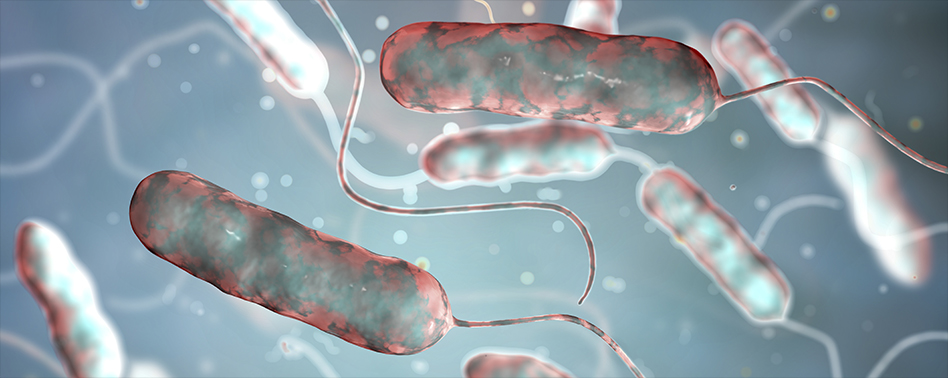
Toxic shock syndrome is a toxin-mediated shock state caused most often by Staphylococcus aureus or Streptococcus pyogenes, with mortality that can reach 30-80%. Early diagnosis is clinical, not criteria-driven: hypotension plus organ dysfunction should prompt a search for a hidden source infection and immediate treatment.
Recognizing Toxic Shock Syndrome
- Superantigen pathophysiology: TSS is driven by bacterial superantigens that bypass normal immune checkpoints, triggering massive cytokine release and rapid end-organ injury rather than a simple localized infection.
- Usual causative organisms: Staphylococcus aureus and Streptococcus pyogenes cause most cases, with staph now often tied to postoperative, postpartum, burn, or focal infections rather than tampon use alone.
- Classic but unreliable triad: Fever, hypotension, and a blanching diffuse red rash are the classic clues, but many patients present first with vomiting, diarrhea, myalgias, weakness, and chills instead.
- Criteria versus bedside diagnosis: CDC criteria differ for staph and strep TSS, but both hinge on hypotension and multisystem organ failure; the practical gaps between criteria and real-time diagnosis are worth hearing in the episode.
- Delayed desquamation finding: Desquamation of the palms and soles may not appear until 1-3 weeks into illness, making strict case definitions poorly suited to early emergency department recognition.
- Important clinical mimics: Adrenal insufficiency, septic shock, meningococcemia, and myocarditis can resemble TSS, especially when the presentation looks like a nonspecific viral illness tipping into shock.
Source Search and Early Treatment
- Hidden infection source: Once TSS is suspected, aggressively look for the source because toxin-producing infections can be deceptively quiet, with little redness, purulence, or localizing pain.
- Stealth soft tissue disease: Streptococcal TSS may accompany necrotizing fasciitis, myositis, cellulitis, or penetrating injury, especially when systemic toxicity seems out of proportion to the exam.
- Culture limitations: Blood cultures are frequently negative in staphylococcal TSS and miss a substantial share of streptococcal cases, so a negative culture should not reassure you early.
- High-risk ED scenarios: Think TSS in a young patient with viral-like symptoms and septic shock, or in any patient whose vitals and overall toxicity feel far worse than the chief complaint.
- Immediate management priority: Treatment starts with source control and early therapy rather than waiting for formal criteria to be met. We get into the bedside approach in the chapter.
Subscribe to ERcast: Clinical Perspectives to listen to the episode.
Faculty
- Rob Orman, MD
Dr. Rob Orman is an emergency physician, educator, and executive coach specializing in physician performance and professional fulfillment. After more than 20 years in community emergency medicine, he now works with clinicians across specialties to address burnout, inefficiency, and career challenges. He earned his medical degree from Emory University School of Medicine and completed his residency at Denver Health Medical Center, where he served as chief resident. Dr. Orman is the founder of the Stimulus podcast and Orman Physician Coaching. He previously served as chief editor of ERcast and hosted Essentials of Emergency Medicine for nearly a decade.
- Brit Long, MD
Dr. Brit Long is a Professor of Emergency Medicine at the University of Virginia and an emergency medicine physician with experience in both a community ED and at a military academic center ED. He is the Clinical Editor-in-Chief of emDOCs.His professional interests include medical education, evidence-based medicine, and the FOAMed movement. Outside of work, he enjoys spending time with his wife and two daughters