ERcast: Clinical Perspectives Podcast Preview



The summary below is from an episode of ERcast: Clinical Perspectives
Vasopressin plus methylprednisolone during in-hospital cardiac arrest increases return of spontaneous circulation, but whether that translates into meaningful patient benefit remains uncertain. The VAM-IHCA trial puts a hard spotlight on ROSC as a surrogate outcome in adult IHCA resuscitation.
VAM-IHCA Trial Takeaways
- ROSC signal strength: The intervention improved sustained ROSC, with 42% achieving circulation for at least 20 minutes versus 22% with placebo, a memorable separation that makes the trial hard to ignore.
- Patient-centered outcome gap: Thirty-day survival and favorable neurologic outcome did not improve, underscoring the central tension in IHCA research: better short-term physiology may not mean better long-term recovery.
- Resuscitation drug strategy: The study tested early methylprednisolone 40 mg plus vasopressin 20 IU after the first epinephrine dose, using a pragmatic intra-arrest approach rather than a post-ROSC bundle.
- Who the trial applies to: This was a multicenter, double-blind RCT in adults with IHCA who had already received epinephrine, which makes the findings directly relevant to real-world hospital arrest care.
- Surrogate endpoint caution: ROSC may matter for immediate resuscitation goals, but its value as a patient-oriented endpoint is debatable when neurologic outcome stays flat. We get into that tradeoff in the episode.
Subscribe to ERcast: Clinical Perspectives to listen to the episode.
Faculty
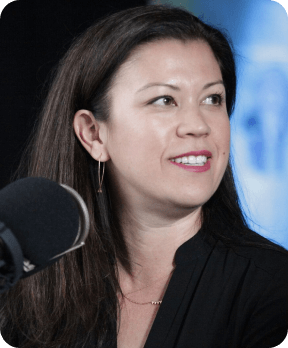
- Mizuho Morrison, DO
Dr. Mizuho Morrison is a board-certified Emergency Medicine physician practicing in Southern California. She played a leadership role in FeminEM, helping develop and support its speaker coaching program, and occasionally contributes to Rebel EM. Additionally, Mizuho is an entrepreneur, co-founding 3MD| Three Mommy Doctors, a medical device company that redesigned first-aid kits for children. She lives in Orange County, CA, with her two children.
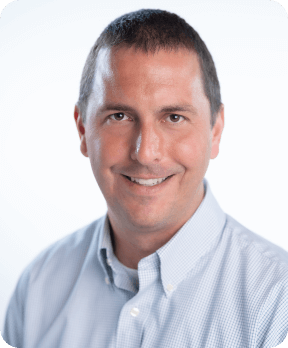
- Matthew DeLaney, MD, FACEP, FAAEM
Dr. Matthew DeLaney is an emergency medicine physician and educator based in Birmingham, Alabama. A native of Mobile, he earned his medical degree from the University of South Alabama and completed his emergency medicine residency at Maine Medical Center.Dr. DeLaney has experience in both community and academic emergency medicine and is known for his commitment to teaching and medical education. He lives in Birmingham with his wife, Erin, who is also a physician, and their two daughters.