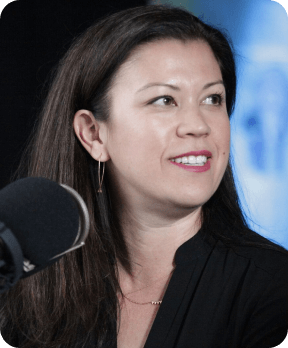
ERcast: Clinical Perspectives Podcast Preview



The summary below is from an episode of ERcast: Clinical Perspectives
Substance use disorder in physicians is common, underrecognized, and especially relevant in emergency medicine. Addiction is a brain disease marked by prefrontal cortical atrophy, dopamine D2 downregulation, and mesolimbic reward-pathway remodeling, with confidential recovery pathways that allow many clinicians to return safely to practice.
Physician Substance Use Disorder
- Prevalence and specialty risk: Physician substance use disorder is not rare; roughly 10-15% of physicians are affected over a career, with emergency medicine, anesthesiology, and psychiatry carrying some of the highest risk.
- Addiction as brain disease: Addiction reflects neurobiologic injury rather than moral failure, with prefrontal cortex atrophy, dopamine D2 receptor downregulation, and mesolimbic reward-pathway reorganization driving compulsive use.
- Common substances misused: Alcohol is the leading substance, followed by opioids and other prescribed sedating or mood-altering medications, a pattern that often blurs stress relief with self-treatment in clinicians.
- Drivers of ongoing use: Fear of licensure action, job loss, lawsuits, and shame keeps many physicians hidden long after impairment begins. Dr Rifenbark's lived experience makes that progression worth hearing in the episode.
- Suicide risk signal: Substance use disorder in physicians travels with a markedly higher suicide burden, including about 40% higher occurrence in male physicians and 130% higher occurrence in female physicians.
Recovery Pathways for Clinicians
- Physician Health Programs: Physician Health Programs operate in 47 states and provide confidential evaluation, referral, treatment coordination, and monitoring tailored to healthcare professionals returning to practice.
- Five-year recovery outcomes: PHPs have strong longitudinal results, with 78% of participants remaining substance-free at five years and 71% retaining both licensure and employment.
- Professional-specific treatment options: Caduceus groups and treatment centers for healthcare professionals address recovery in the context of clinical identity, workplace access, and return-to-duty expectations.
- Core recovery team: A durable treatment plan usually includes a board-certified addiction medicine specialist, a therapist, and peer recovery support, with practice-specific nuances we get into in the chapter.
- Medication treatment considerations: Buprenorphine with or without naltrexone remains part of evidence-based addiction care, but physician return-to-work rules vary by state and can complicate practice decisions.
Subscribe to ERcast: Clinical Perspectives to listen to the episode.
- Baldisseri MR. Impaired healthcare professional. Crit Care Med. 2007;35(2 Suppl):S106-S116. PMID: 17242598
- McLellan AT, Skipper GS, Campbell M, DuPont RL. Five year outcomes in a cohort study of physicians treated for substance use disorders in the United States. BMJ. 2008;337:a2038. Published 2008 Nov 4. PMID: 18984632
- Merlo LJ, et al. Reasons for misuse of prescription medication among physicians undergoing monitoring by a physician health program. J Addict Med. 2013;7(5):349-353. PMID: 24089039
- Schernhammer ES, Colditz GA. Suicide rates among physicians: a quantitative and gender assessment (meta-analysis). Am J Psychiatry. 2004;161(12):2295-2302. PMID: 15569903
- Barber, C, Genres, WM. Drug and Alcohol Rehab for Doctors Near Me. American Addiction Centers. May 17, 2023. Accessed December 5, 2023. https://americanaddictioncenters.org/medical-professionals/substance-abuse-among-doctors-key-statistics
Faculty
- Mizuho Morrison, DO
Dr. Mizuho Morrison is a board-certified Emergency Medicine physician practicing in Southern California. She played a leadership role in FeminEM, helping develop and support its speaker coaching program, and occasionally contributes to Rebel EM. Additionally, Mizuho is an entrepreneur, co-founding 3MD| Three Mommy Doctors, a medical device company that redesigned first-aid kits for children. She lives in Orange County, CA, with her two children.
- Neil Rifenbark, MD