ERcast: Clinical Perspectives Podcast Preview



The summary below is from an episode of ERcast: Clinical Perspectives
Dilated cardiomyopathy can present as postpartum heart failure, post-viral myocarditis, or chemotherapy-related cardiotoxicity, often masquerading as more common dyspnea syndromes. Hypertrophic cardiomyopathy is equally dynamic in the ED: tachycardia, hypovolemia, and acidosis can abruptly create left ventricular outflow tract obstruction and shock.
Dilated and Hypertrophic Cardiomyopathy
- Dilated cardiomyopathy clues: New dyspnea in a 7-month postpartum patient, a recent COVID survivor, or a patient on chemotherapy should raise concern for dilated cardiomyopathy rather than reflexively anchoring on PE.
- Dynamic HCM physiology: Hypertrophic cardiomyopathy is not fixed disease; patients without resting obstruction can develop marked LVOT obstruction during tachycardia, hypovolemia, acidosis, or adrenergic stress.
- Preload-first resuscitation: In crashing HCM, low filling is often the problem, not fluid overload, so cautious IV fluids can improve stroke volume even when the presentation initially looks like cardiogenic shock.
- Avoid inotropic worsening: Dobutamine and milrinone can intensify hypercontractility and worsen LVOT obstruction, while pure vasoconstrictors such as phenylephrine or vasopressin better match the physiology.
- Tachyarrhythmia destabilization risk: Atrial fibrillation and SVT matter because faster rates shorten diastolic filling; even regular narrow-complex tachycardia can tip HCM patients into hypotension and rapid decompensation.
- Bedside ultrasound value: Early POCUS helps identify a small hyperdynamic ventricle, assess filling, and recognize obstructive versus burned-out physiology. We get into the bedside hemodynamic cues in the episode.
Recognition, Resuscitation, and ED Morale
- Bystander CPR leadership: In an out-of-hospital arrest, assigning bystanders specific tasks and getting an AED moving early can bridge the gap until EMS arrives, as this public-setting save makes memorable.
- ROSC and good outcome: The arrest survivor ultimately left with an ICD for an underlying electrical disorder, a reminder that sudden collapse in public can still end in neurologically intact recovery.
- Recognition as protective factor: Meaningful appreciation is linked to less emotional exhaustion, better job satisfaction, and stronger retention in healthcare workers, especially in high-friction ED environments.
- Routine heroics problem: Emergency clinicians often move straight from a save to the next patient, which normalizes extraordinary work and quietly erodes morale when gratitude is otherwise scarce.
- Peer acknowledgment habits: Simple acts such as a recognition letter or deliberate coworker praise can strengthen team culture and resilience. That cultural shift is worth hearing in the chapter.
Subscribe to ERcast: Clinical Perspectives to listen to the episode.
References:
- Mahmaljy H, Yelamanchili VS, Singhal M. Dilated Cardiomyopathy. [Updated 2023 Apr 7]. In: StatPearls [Internet]. Treasure Island (FL): StatPearls Publishing; 2026 Jan-. Available from: Link
- Stergiopoulos K, Lima FV. Peripartum cardiomyopathy-diagnosis, management, and long term implications. Trends Cardiovasc Med. 2019 Apr;29(3):164-173. PMID: 30111492
- Heymans S, Lakdawala NK, Tschöpe C, Klingel K. Dilated cardiomyopathy: causes, mechanisms, and current and future treatment approaches. Lancet. 2023;402(10406):998-1011.PMID: 37716772
Faculty
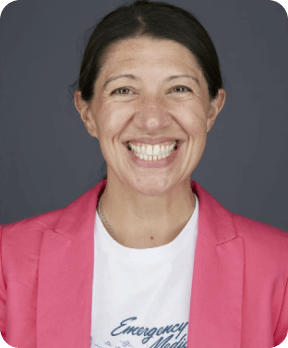
- Anne Steckowych, APRN
Emergency medicine is in Anne’s blood; her father has been an Emergency Medicine physician for the last 30 years. After earning her nursing degree from the University of New Hampshire (UNH) in 2018, Anne worked as an EMT at her local fire department, gaining practical experience that prepared her for five years as a nurse in the emergency department. She eventually returned to UNH to become an NP and has spent the last 8 years in the same ED, building relationships with a clinical team dedicated to providing the best possible patient care. Outside of the hospital, she’s usually skiing, hiking, or running in the New Hampshire hills. ERcast is her first podcast, and she’s thrilled to be part of the Hippo team.
- Brett Murray, MD
Dr. Murray is an Emergency Medicine physician practicing at a busy community trauma center. After attending Boston University School of Medicine, he completed his residency training at Brown University / Rhode Island Hospital, where he also served as Chief Resident from 2020 – 2021. His clinical interests center on medical education, performance science, and Emergency Medical Services.
- Tiffany Proffitt, DO
Dr. Proffitt is a board-certified Emergency Medicine physician practicing in Scottsdale, Arizona. She completed her medical training at Midwestern University Chicago College of Osteopathic Medicine and found her passion for medical education during her residency at Spectrum Health Lakeland. Tiffany is the co-founder and co-chairwoman of the HonorHealth Women Physicians Leadership Council, where she works to enhance professional development for 550 women clinicians. When she isn’t in the ED or podcasting, she’s chasing twins, dancing with toddlers, and enthusiastically singing the wrong lyrics to every song.
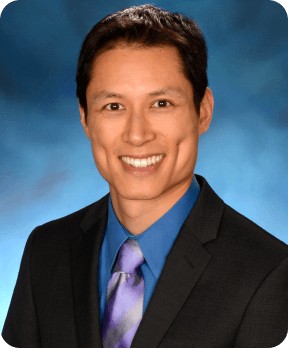
- Stanley Liu, MD, FACC
Dr. Stanley Liu is a non-invasive cardiologist and clinician-educator. He earned his medical degree from the Mayo Clinic College of Medicine and completed his internal medicine residency at Johns Hopkins Bayview Medical Center, followed by a fellowship in cardiovascular disease at University of Maryland Medical Center. Dr. Liu’s professional interests span the secondary prevention of coronary artery disease, particularly in patients recovering from acute coronary syndromes, as well as improving financial literacy and wellness among medical trainees and clinicians. He established and mentors the Cardiac Coaching Program for ACS Survivors program, a program that trains medical student volunteers to provide lifestyle counseling to acute coronary syndrome survivors. For this work, he was awarded the Gold Humanism Society's Leonard Tow Humanism in Medicine Award in 2020. He was named the 2021 Distinguished Lecturer in Pathophysiology and Therapeutics for his consistently exceptional teaching evaluations in cardiology. He was also a 2021 nominee for the White Coat Investor Financial Educator of the Year Award for his work to improve the financial literacy and wellness of medical trainees and clinicians. He is thrilled and honored to serve as a faculty member with Hippo Education.
- Solomon Behar, MD
- Lunien “Lulu” Villeda Lemus, RN, BSN