ERcast: Clinical Perspectives Podcast Preview

Hard Diagnoses, Hard Conversations
- May 19, 2026
- 1 Chapter
- 54 min
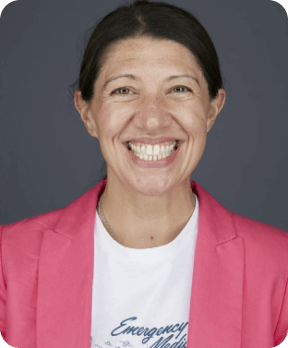
This week, we’ll hear from Brit Long again, as he covers what stercoral colitis is, when to consider it, and how to diagnose and manage it. Then, we will spend time considering the unique challenges of end-of-life conversations with our critically ill patients or our post-arrest patients’ families in the Emergency Department. Join Dr. Tiffany Proffitt as she sits down with Rabbi Debbi Mangan, a hospital chaplain with decades of experience, to remind us how to navigate these challenging conversations.
Faculty
- Drew Kalnow, DO
Dr. Drew Kalnow is an emergency medicine physician and educator based in Columbus, Ohio. He completed his emergency medicine training at OhioHealth Doctors Hospital Emergency Medicine Residency. Dr. Kalnow is passionate about advancing emergency medicine through high-quality education, with a particular focus on simulation, learning theory, and innovative teaching.
- Brit Long, MD
Dr. Brit Long is a Professor of Emergency Medicine at the University of Virginia and an emergency medicine physician with experience in both a community ED and at a military academic center ED. He is the Clinical Editor-in-Chief of emDOCs.His professional interests include medical education, evidence-based medicine, and the FOAMed movement. Outside of work, he enjoys spending time with his wife and two daughters
- Tiffany Proffitt, DO
Dr. Proffitt is a board-certified Emergency Medicine physician practicing in Scottsdale, Arizona. She completed her medical training at Midwestern University Chicago College of Osteopathic Medicine and found her passion for medical education during her residency at Spectrum Health Lakeland. Tiffany is the co-founder and co-chairwoman of the HonorHealth Women Physicians Leadership Council, where she works to enhance professional development for 550 women clinicians. When she isn’t in the ED or podcasting, she’s chasing twins, dancing with toddlers, and enthusiastically singing the wrong lyrics to every song.
- Anne Steckowych, APRN
Emergency medicine is in Anne’s blood; her father has been an Emergency Medicine physician for the last 30 years. After earning her nursing degree from the University of New Hampshire (UNH) in 2018, Anne worked as an EMT at her local fire department, gaining practical experience that prepared her for five years as a nurse in the emergency department. She eventually returned to UNH to become an NP and has spent the last 8 years in the same ED, building relationships with a clinical team dedicated to providing the best possible patient care. Outside of the hospital, she’s usually skiing, hiking, or running in the New Hampshire hills. ERcast is her first podcast, and she’s thrilled to be part of the Hippo team.
- Brett Murray, MD
Dr. Murray is an Emergency Medicine physician practicing at a busy community trauma center. After attending Boston University School of Medicine, he completed his residency training at Brown University / Rhode Island Hospital, where he also served as Chief Resident from 2020 – 2021. His clinical interests center on medical education, performance science, and Emergency Medical Services.
- Deborah Mangan MA, Ordination, Certified Chaplain