ERcast: Clinical Perspectives Podcast Preview


The summary below is from an episode of ERcast: Clinical Perspectives
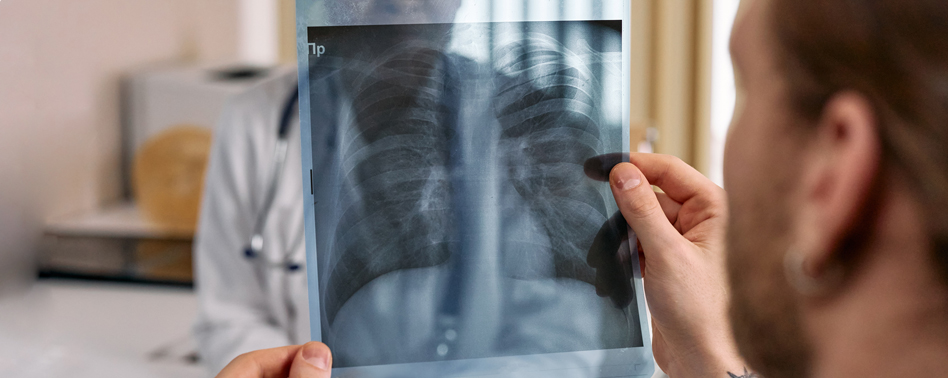
Chest and pelvis x-rays are low-sensitivity trauma tests, but they still matter when they identify immediately actionable cavitary bleeding in a sick patient. In stable trauma, CT is usually the better injury screen, and dual imaging often adds delay without changing management.
Trauma Imaging Triage
- Low-sensitivity plain films: Chest and pelvis x-rays miss injuries compared with CT, but they can still reveal a hemodynamically important hemothorax, pneumothorax, or pelvic fracture when minutes matter.
- Stable patients going to CT: If a stable trauma patient is headed for a pan-scan anyway, routine trauma-bay plain films usually add little and can delay definitive imaging and treatment.
- Rock solid trauma patients: Low-risk, normal-vitals patients who can give a clear history often need only targeted x-rays or no imaging at all, with observation and discharge decisions driven by the bedside exam.
- Sick trauma patients first: In critically ill trauma, immediate chest and pelvis films are tightly linked to management because they can trigger chest tube placement, hemorrhage control, or a decision to skip CT for the OR.
- Beyond stable versus unstable: Trauma imaging works better as a three-group model: rock solid, injured, and sick. We get into how that frame changes ordering decisions in the episode.
CT, eFAST, and Protocol Choice
- CT as injury screen: CT is the highest-yield test for stable trauma patients with concerning mechanism, unreliable exam, or altered mental status, especially when occult torso injury is the real concern.
- Pan-scan protocol pitfalls: A reflex head-to-pelvis trauma protocol can miss the right study for the patient, including delayed renal imaging, gated cardiac CT, facial imaging, or CTA for blunt cerebrovascular injury.
- eFAST for immediate threats: eFAST is most useful in resuscitation for clinically important thoracic findings such as pericardial effusion, hemothorax, and pneumothorax, where a positive study can change management immediately.
- Spinal tenderness and CT: Midline spinal tenderness should push you toward CT rather than plain films, often using reformatted images from chest, abdomen, and pelvis studies already being obtained.
- Question-driven imaging choices: The key move is to order imaging only when it answers a real management question, balancing radiation, technologist time, and the opportunity cost of delaying intubation, transfusion, or procedures.
Subscribe to ERcast: Clinical Perspectives to listen to the episode.
References:
- Treskes K, et al. Cost-effectiveness of immediate total-body CT in patients with severe trauma (REACT-2 trial). Br J Surg. 2021;108(3):277-285. PMID: 33793734
- Hussain K, et al. Radiology and A Radiologist: A Keystone in the Turmoil of Trauma Setting. Cureus. 2021 Apr 2;13(4):e14267. PMID: 33959449
- Haley T, et al. Trauma: the impact of repeat imaging. Am J Surg. 2009;198(6):858-862. PMID: 19969142
- Qamar SR, et al. Emergent Comprehensive Imaging of the Major Trauma Patient: A New Paradigm for Improved Clinical Decision-Making. Can Assoc Radiol J. 2021;72(2):293-310. PMID: 32268772
- Burger C, et al. Schnellere Diagnostik mit digitaler Röntgentechnik im Schockraum: eine prospektive Studie bei Schwerverletzten [Faster diagnostics by digital X-ray imaging in the emergency room: a prospective study in multiple trauma patients]. Z Orthop Unfall. 2007;145(6):772-777. PMID: 18072045
Faculty
- Chris Hicks, MD
Chris Chris Hicks is an emergency physician, trauma team leader, educator, and speaker with expertise in resuscitation, simulation, and psychological performance in healthcare. His work has focused on areas such as mental practice, stress inoculation training, and improving team performance in high-stakes clinical environments. He has contributed to the development of interprofessional and simulation-based medical education initiatives and has collaborated with healthcare organizations on the design of systems, spaces, and teams to support high-performance care delivery. Chris is also a longtime supporter of the FOAMed movement and is widely recognized for his engaging and practical approach to medical education. Outside of medicine, he enjoys running, cycling, boxing, music, and spending time with his family.
- Drew Kalnow, DO
Dr. Drew Kalnow is an emergency medicine physician and educator based in Columbus, Ohio. He completed his emergency medicine training at OhioHealth Doctors Hospital Emergency Medicine Residency. Dr. Kalnow is passionate about advancing emergency medicine through high-quality education, with a particular focus on simulation, learning theory, and innovative teaching.
- Andy Little, DO
Dr. Andy Little is an emergency medicine physician and educator. He earned his medical degree from the Ohio University Heritage College of Osteopathic Medicine and completed his emergency medicine residency at OhioHealth Doctors Hospital Emergency Medicine Residency, where he served as Chief Resident. He has received multiple national awards, including recognition from the American Osteopathic Association, American College of Osteopathic Emergency Physicians, and Emergency Medicine Residents' Association.